Blog

Why the BRIX Platform Is Essential for High-Volume EV Battery, Engine, and Vehicle Testing

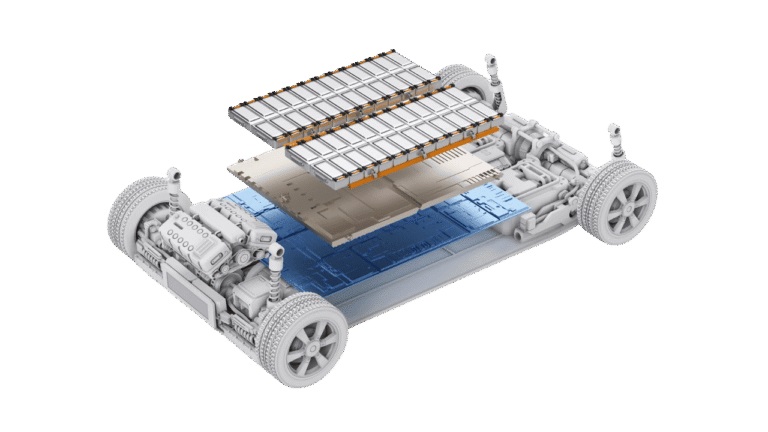
The automotive industry is evolving at an unprecedented pace. Electrification, connected vehicles, software-driven architectures, and stricter regulatory requirements are fundamentally changing how vehicles are developed and validated. As OEMs and Tier-1 suppliers scale up EV battery, engine, motor, and full-vehicle testing, they face an explosion of data, increased operational complexity, and mounting pressure to reduce […]

Why the BRIX Platform Is Essential for High-Volume EV Battery, Engine, and Vehicle Testing Read More »

how aisys is transforming transmission e-axle testing with automation

How iASYS Is Transforming Transmission & E-Axle Testing with Automation & Smart Control

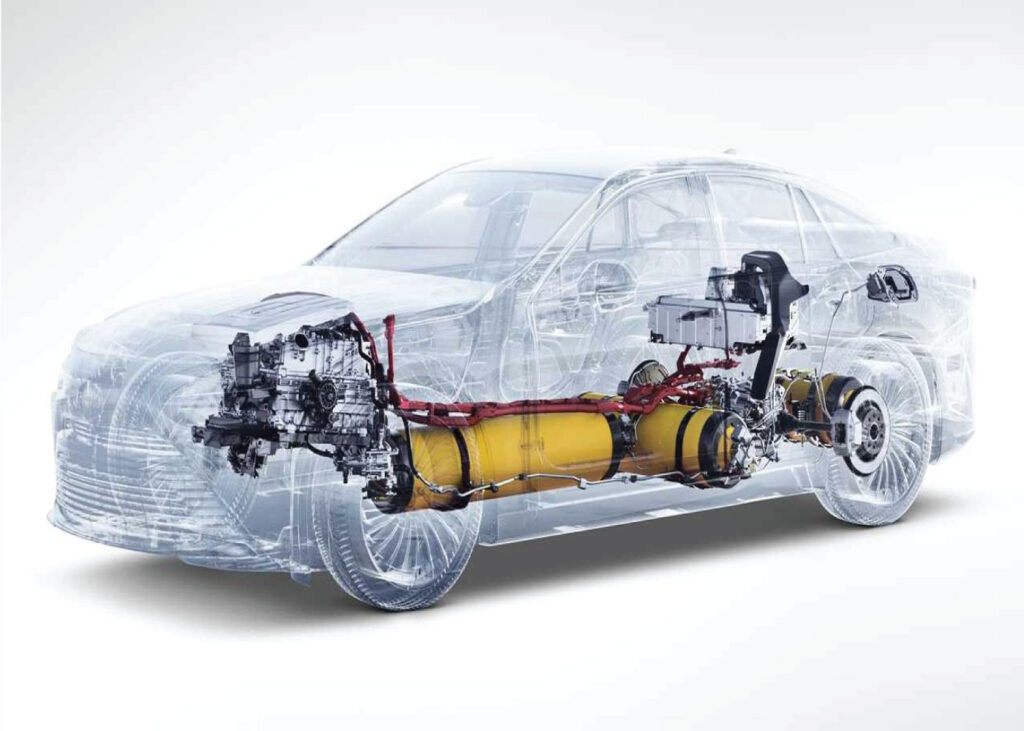
In the fast-evolving world of automotive engineering, precision, reliability, and efficiency are essential. As vehicles become more advanced—with smarter transmissions and high-performance E-Axles—the need for accurate and modern testing systems has never been greater. Manufacturers that rely on outdated equipment risk delayed product launches, inconsistent results, and an inability to meet the demands of electric

How iASYS Is Transforming Transmission & E-Axle Testing with Automation & Smart Control Read More »

Orbit test automation system

Orbit H2 — The Future of Modular and Scalable Fuel Cell Testing

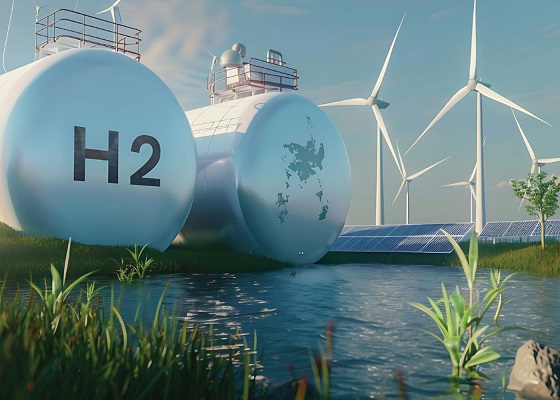
As the global transition toward clean and sustainable energy accelerates, hydrogen fuel cells are emerging as one of the most promising zero-emission technologies. From powering electric vehicles to supporting renewable energy storage, hydrogen-based solutions are transforming industries. However, achieving reliable performance and safety in these technologies requires one critical step — accurate, scalable, and automated

Orbit H2 — The Future of Modular and Scalable Fuel Cell Testing Read More »

Convention ice

From Conventional ICE to EVs: Challenges in Powertrain Testing Transition

The global automotive industry is undergoing a revolutionary shift — from Conventional Internal Combustion Engines (ICE) to Electric Vehicles (EVs). This transformation, driven by sustainability goals and stricter emission norms, is redefining the way powertrains are designed, validated, and tested. However, the transition also brings new engineering complexities.Traditional Hybrid and Engine Testing Solutions focused on

From Conventional ICE to EVs: Challenges in Powertrain Testing Transition Read More »

Hydrogen internal combustion engine illustration

The Future of Hydrogen ICE: Can It Compete with Electric Powertrains?

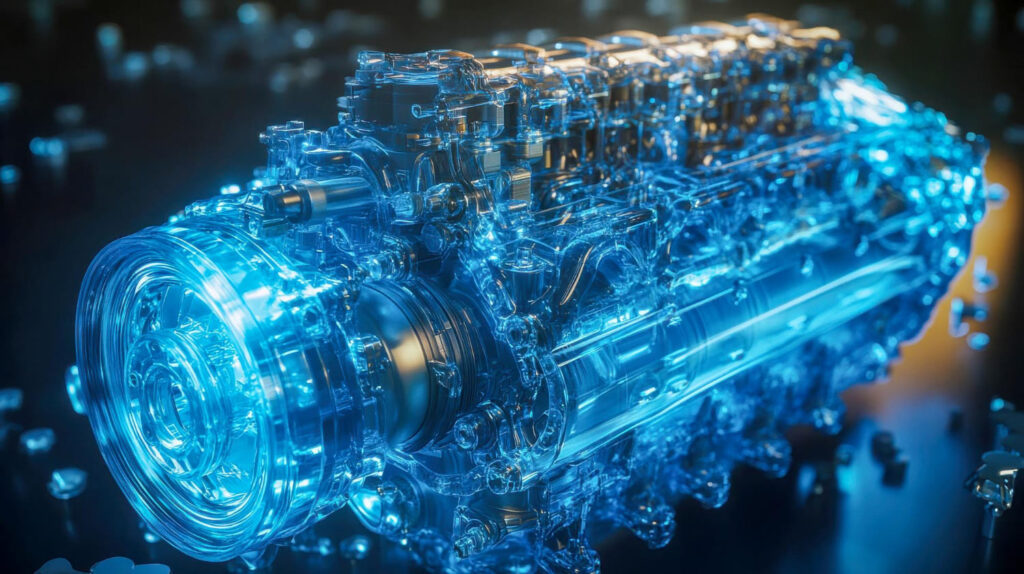
As the automotive industry moves toward decarbonization, the discussion over hydrogen ICE vs fuel cell and electric powertrains heats up. While battery electric vehicles (BEVs) dominate the news, hydrogen internal combustion engines (ICEs) are quietly emerging as a possible alternative. With breakthroughs in testing, safety, and scalability, Hydrogen ICE: a green engine for the future

The Future of Hydrogen ICE: Can It Compete with Electric Powertrains? Read More »

Maximizing Performance and Reliability: The Significance of Powertrain Testing in EV Vehicles

Powertrain testing in EV development is essential for optimizing performance and efficiency. Engineers fine-tune the system to achieve better acceleration, range, and vehicle dynamics. Efficiency evaluations help reduce energy loss and improve regenerative braking, increasing range and reducing environmental impact. Safety and reliability, especially for high-voltage components and battery safety, are top priorities in powertrain testing.

Maximizing Performance and Reliability: The Significance of Powertrain Testing in EV Vehicles Read More »

Scroll to Top