
Case Studies

Case Study on ENHANCING ACCURACY & UPTIME IN EV MOTOR EOL TESTING

Discover how iASYS helped a leading EV motor manufacturer reduce motor rejection rates by 40%, minimize unplanned shutdowns by 70%, and enhance product quality through advanced EOL testing solutions.

Advanced End-of-Line Testing to Enhance EV Motor Performance and Operational Uptime

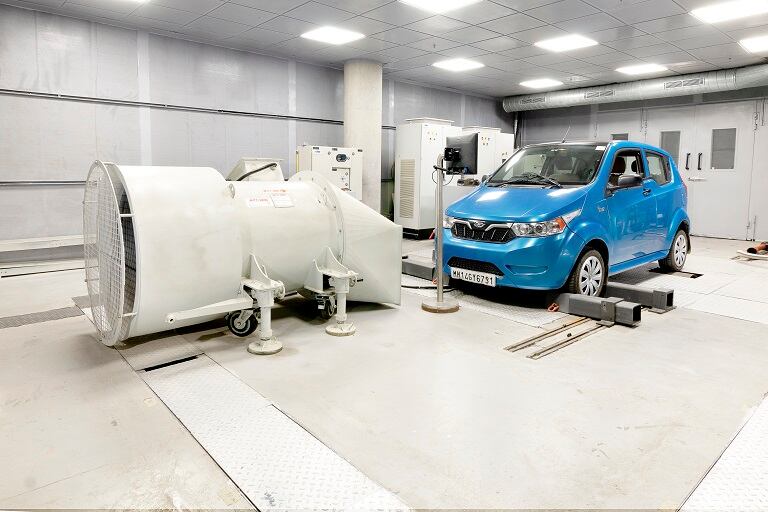
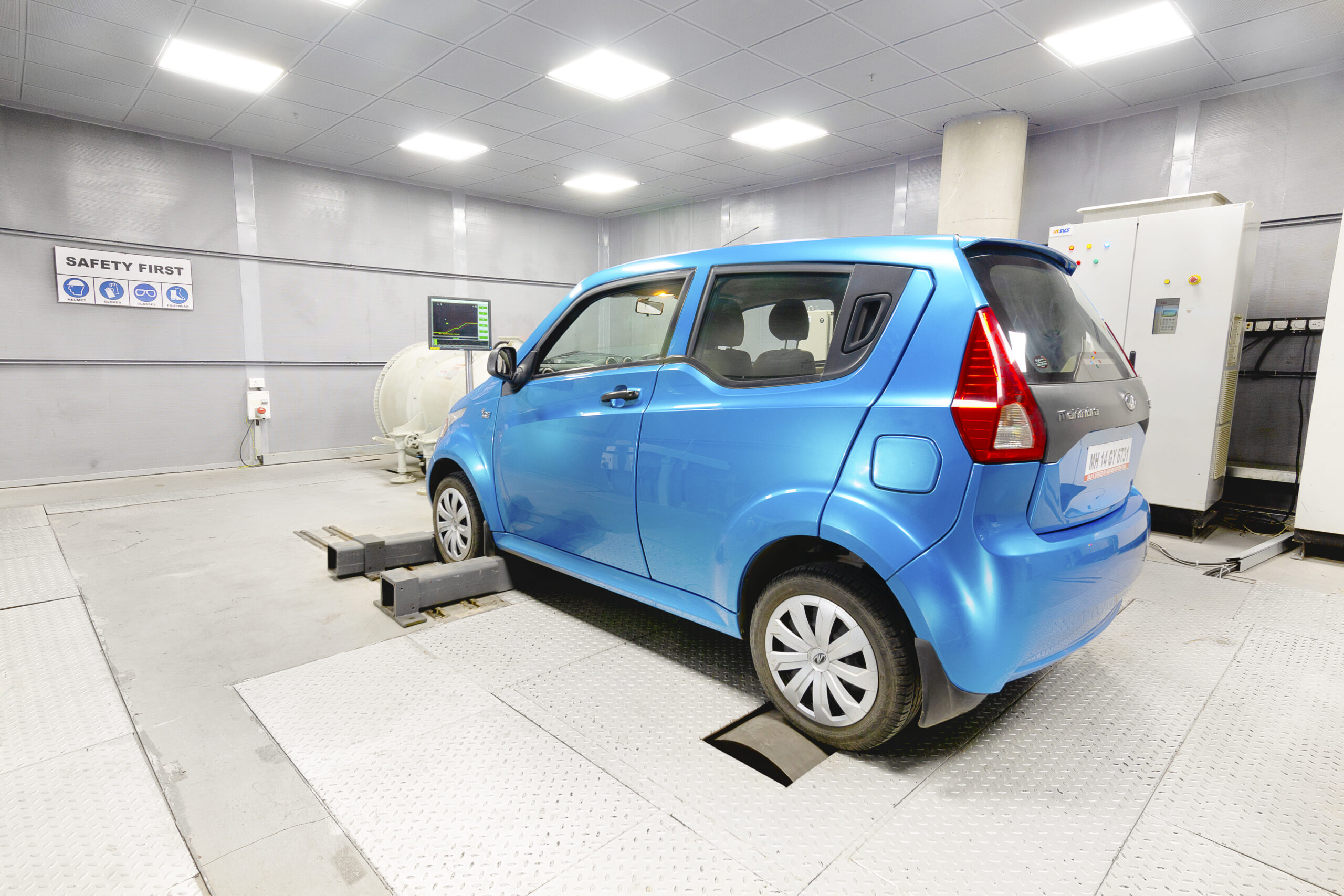
Use case: -End-of-Line (EOL) EV motor testing solution for two- and three-wheeler motors, ensuring accurate torque measurement, system reliability, safety compliance, and high-uptime 24×7 operations.

Goal: -To improve test accuracy, system uptime, and safety while supporting continuous production and reducing motor rejections, warranty risks, and operational disruptions.

Challenges:-Torque instability, software freezes, and controller–dyno communication issues affected test reliability, while high current backflow, electrical failures, noise compliance, and nonstop operations increased production risk.

Solution:-iASYS stabilized the test bench by recalibrating torque sensors, optimizing inverter tuning and algorithms, improving electrical safety, and implementing controlled automation for continuous, compliant operations.

Results :-Reduced motor rejection rates by up to 40%, decreased unplanned shutdowns by up to 70%, increased first-time acceptance by up to 35%, and delivered a scalable, high-uptime EOL testing system with predictive insights.
Download Case Study for More Information

    Share the Post:

    Related Posts

    CASE STUDY: UNIVERSAL EV POWERTRAIN TEST RIG

    This case study highlights how iASYS delivered a Universal EV Powertrain
    Testrig for a leading Japanese OEM, enabling validation of multiple
    drivetrain Units Under Test (UUTs) on a single, integrated test platform. By
    combining mechanical driveline systems, high-performance dynamometers,
    Orbit-T–based automation, and fast, synchronized data acquisition, the
    solution addressed increasing validation complexity across conventional
    and electrified powertrains. The integrated test infrastructure improved
    testing flexibility, reduced capital expenditure, simplified operations, and
    ensured accurate, repeatable Road Load Simulation (RLS) for both
    component-level and powertrain-level testing. This future-ready platform
    supports EV motors, CVTs, transmissions, and differentials while delivering
    high-fidelity real-world load reproduction across a wide operating envelope.

    Read More
    Scroll to Top