Case Studies

Case Study on Automated EOL motor testing

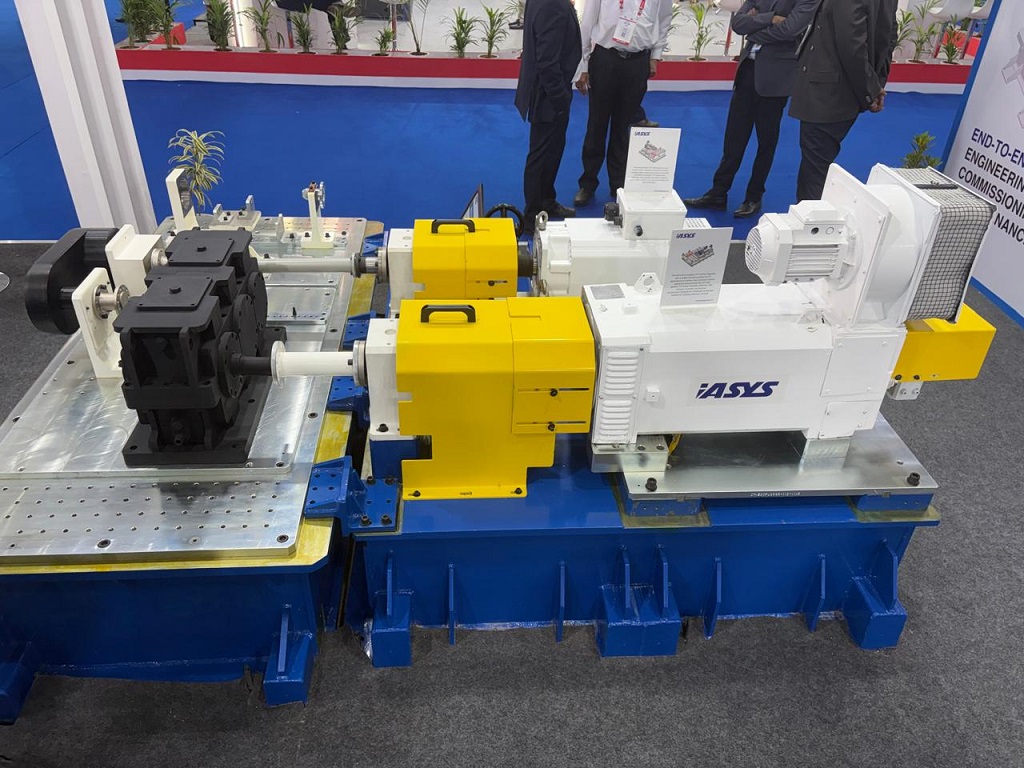
This case study showcases an automated End-of-Line (EOL) motor testing solution developed for a globally renowned automotive OEM. It achieved 25% faster cycle time with zero human intervention. Real-time data, predictive maintenance, and auto-reporting enhance reliability.

Accelerating High-Volume Motor Production with Fully Automated End-of-Line Testing


Use case: –Automated EOL motor-level testing for new-generation motors, integrating measurement devices, barcode scanning, and auto-reporting to support high-volume production.

Goal: –To reduce test cycle time and operator dependency while improving accuracy, traceability, and throughput to meet stringent production targets.

Challenges:-Integrating multiple measurement devices, synchronizing PLC and automation systems, and developing a fully automated test sequence without human intervention under tight cycle-time constraints.

Solution:-iASYS implemented the Orbit Triton platform with high-speed PLC-based auto-sequence logic, integrated electrical measurement devices, barcode scanning, and real-time data acquisition.

Results :-Achieved 25% faster cycle time, improved test accuracy by up to 50%, increased manufacturing capacity by up to 30%, and enabled predictive maintenance with automated reporting for higher system reliability.


Download Case Study for More Information

    Share the Post:

    Related Posts

    Digital Transformation of Automotive Certification Process

    This case study highlights how iASYS enabled the digital transformation of an automotive certification and standardization process for a leading Indian agency. By implementing a centralized, web-based platform integrated with test bench systems and automated workflows, the solution addressed inefficiencies in manual operations, improved accuracy, and significantly reduced certification turnaround time. The platform enhanced transparency, scalability, and real-time visibility, ensuring faster, more reliable certification aligned with evolving regulatory standards.

    Read More
    Scroll to Top