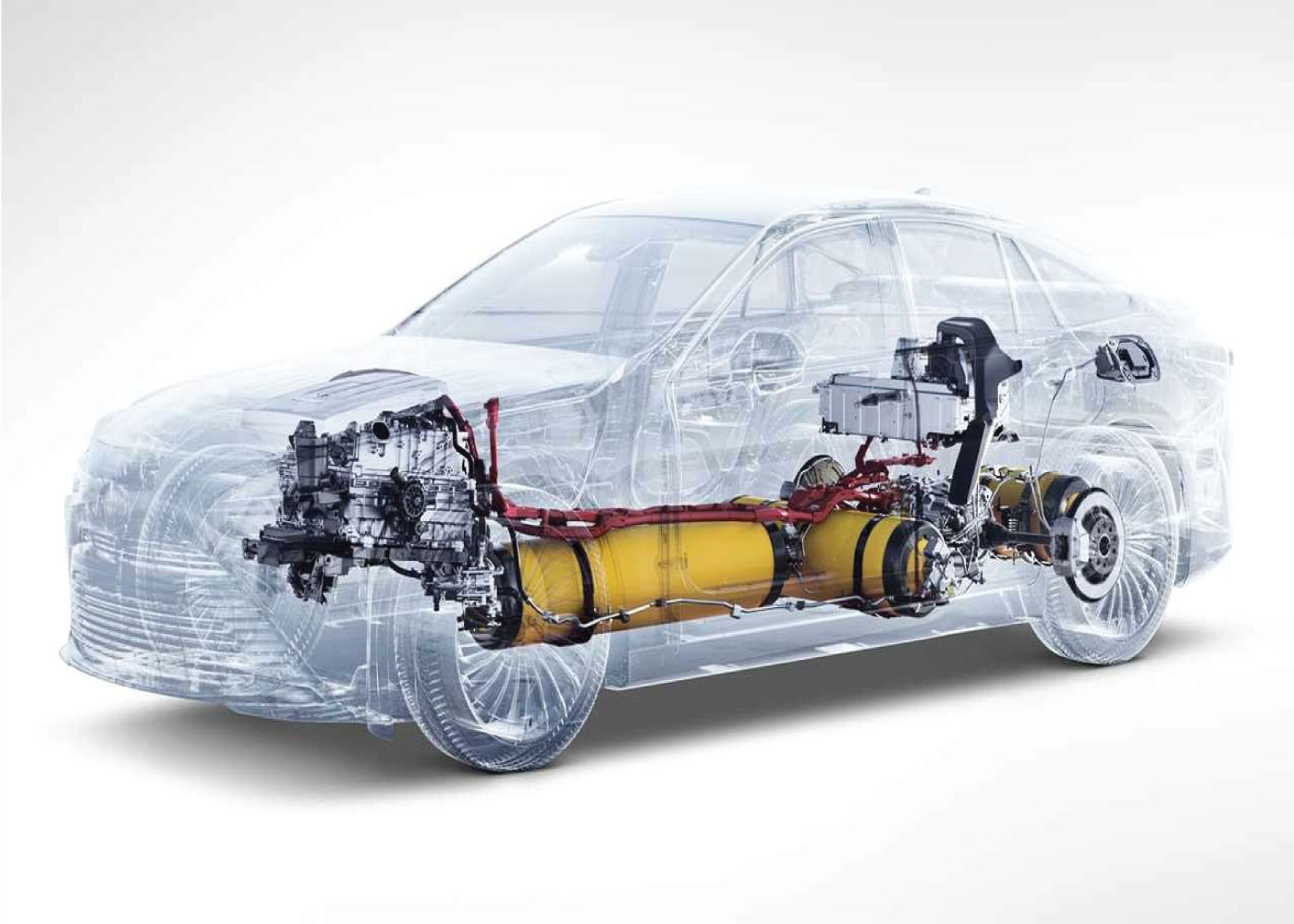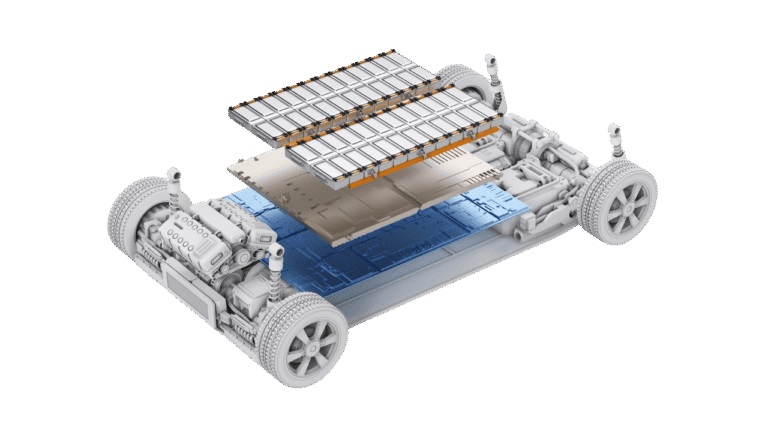

An engineering test data management system supports EV and powertrain validation by giving every test result a defined place, a defined context and a clear link to the requirement it proves. Battery cyclers, motor dynamometers, engine test cells and transmission rigs each produce measurements in their own formats. Without a common structure, engineers spend time finding files, checking which sample or software version was tested, and rebuilding comparisons by hand.
A well-run Engineering Test Data Management System stores raw measurements together with their metadata, links results to the validation plan, and lets teams search, compare and report across benches and programs. This article explains what such a system is, how it differs from test automation and lab management, and what to look for when choosing one.
What Is an Engineering Test Data Management System?
An engineering test data management system is software that collects, organizes, stores and retrieves physical test data together with the context needed to interpret it. That context, usually called metadata, records what was tested, on which bench, under which conditions, with which software version and by whom.
The difference from basic file storage is meaning. A shared drive holds files. A test data management system knows that a file is the third durability run of motor sample B on dynamometer 2, and that it belongs to a specific line of the validation plan. That knowledge is what makes search, comparison and traceability possible.
Many automotive systems build on ASAM ODS (Open Data Services), an industry standard for the persistent storage and retrieval of test data. It defines data models with clear semantics, so tools from different vendors can read the same data and interpret it correctly.
How Automotive Test Data Is Generated
Test data comes from many sources at once: data acquisition systems on test benches, automation software controlling the run, power analyzers, emissions analyzers, climatic chambers, CAN bus logs and the controller under test. A single motor efficiency map may combine torque, speed, voltage, current, temperature and inverter signals sampled at different rates. Each source has its own file format, channel naming and time base.
How It Differs from Test Automation, Lab Management and PLM
These terms often appear together, but they solve different problems:
- Test automation runs the test. It controls the bench, executes the cycle and acquires the data.
- Lab management runs the facility: test requests, scheduling, assets, calibration and utilization.
- PLM manages the product definition: parts, design revisions and engineering changes.
- Test data management manages the results: storage, metadata, search, comparison, analysis and reporting.
In practice they connect. Automation feeds the data system, lab management records which request a run belongs to, and PLM supplies the part and revision being tested.
Why EV and Powertrain Validation Requires Structured Test Data
Validation is an evidence exercise. Every item in a design verification plan and report (DVP&R) needs results showing it was met, under defined conditions, on a defined sample. When the data behind that evidence is scattered, the evidence becomes hard to produce and harder to defend.
Managing EV Battery Testing Data
Battery validation generates long-running, high-volume datasets: cycle life tests, capacity and internal resistance checks, thermal tests and abuse tests across cells, modules and packs. Results only make sense alongside their context, such as cell chemistry, production batch, state-of-charge window, temperature and cycler channel. A battery testing data platform that captures this metadata at import lets engineers compare ageing behaviour across batches instead of reconciling spreadsheets.
Organizing Electric Motor and Powertrain Test Results
Motor and e-axle testing produces efficiency maps, torque-speed curves, thermal behaviour and durability data, often from one bench running several motor types. Powertrain testing data management keeps each run tied to the motor sample, inverter software, cooling conditions and test sequence. An efficiency change can then be traced to a hardware or calibration change rather than guessed.
Supporting Engine and Transmission Testing
Conventional and hybrid programs still run engine performance, emissions, durability and transmission tests, often in the same facility as EV benches. Keeping these results in one structured system, rather than one archive per test cell, lets teams benchmark across ICE, hybrid and EV programs and reuse historical baselines.
Common Challenges in Automotive Test Data Management
Most test labs recognize the same problems:
- Fragmented storage: results sit on bench PCs, personal drives and email attachments.
- Inconsistent formats: each bench, vendor and equipment generation writes different files and channel names.
- Missing context: a file without its sample, software version or test conditions is close to unusable a year later.
- Slow retrieval: finding a past run often depends on knowing who ran it.
- Weak traceability: the link between requirement, test request and result lives in someone’s memory.
- Manual comparison: overlaying runs from different benches means converting and aligning data by hand.
iASYS has covered the broader data management challenges faced by automotive R&D teams separately. The rest of this article focuses on how a structured system addresses them during validation.
How an Engineering Test Data Management System Supports Validation
In a typical workflow, a test request is raised against a line of the validation plan. Bench automation runs the test and acquires the data. The data system imports the results, attaches metadata, applies standard calculations and makes the run searchable. Engineers then review, compare and report, and the report links back to the original requirement.
Improving Test Data Traceability
Traceability means following a result back to its requirement, test request, sample, bench and software version. In a structured system those links are recorded when data is imported, not reconstructed at audit time. This matters most when a test is repeated after a design change and both results must be explained.
Supporting Comparison Across Test Runs
Comparing runs is only meaningful when channels, units and conditions line up. A shared data model and consistent channel naming let engineers overlay a new motor sample against last quarter’s baseline, or compare the same battery test from two labs, without reformatting files first.
Enabling Better Collaboration Across Engineering Teams
Design, test, calibration and quality teams use the same results for different purposes. Central, role-based access means a design engineer can find the run they need, and a test manager can see which plan items already have evidence, without either asking the lab to send files.
Working out how test data should flow from your benches into validation reports?
See how the BRIX Platform organizes engine, motor and battery test data, or see how iASYS approaches electric powertrain testing.
Key Capabilities of an Automotive Test Data Management Platform
Platforms differ, and no single list fits every lab. Capabilities commonly assessed include:
- Import from multiple file formats and bench vendors, with automatic metadata capture
- A configurable data model, ideally based on an open standard such as ASAM ODS
- Search by metadata: sample, project, test type, date, bench
- Visualization and overlay of runs
- Configurable calculations and statistical evaluation
- Automated report generation
- Links to test plans (DVP&R) and test requests
- Role-based access across sites and partners
- Scalability for high-frequency and long-duration data, such as battery cycling
How iASYS Supports Automotive Testing and Validation Workflows
iASYS addresses test data management through the BRIX Platform, a web-based platform that brings together development planning, laboratory asset management and historical test data analytics. It has three parts:
- BRIX-Lite is a web-based analytics platform built on ASAM ODS. iASYS lists structured test data management, interactive dashboards, configurable statistical evaluation, automated reporting and support for formats including .xls, .csv and .atfx.
- D-BRIX is a distributed data management platform designed for high-volume EV and battery validation data, with metadata handling and parallel processing.
- BRIX-Lab covers lab operations: test requests, scheduling, asset and calibration tracking, and utilization.
On the execution side, the ORBIT test automation platform covers engine, EV powertrain, chassis dynamometer, emissions and fuel cell testing, including data logging and an Orbit-Central module for centralized data management and test coordination. iASYS also builds test systems for EV battery testing, EV motor testing and transmission testing.
iASYS is also listed by ASAM among the contributing authors of the ASAM ODS standard.
How to Evaluate an Engineering Test Data Management Solution
OEMs, EV manufacturers, R&D teams and testing labs can use these questions:
- Which file formats and bench vendors can it import today, without custom development?
- Is the data model based on an open standard, and can data be exported in a standard format such as ATFx?
- Is metadata captured automatically at import, or typed in by engineers?
- Can results be linked to DVP&R items and test requests?
- How does it handle high-volume time-series data, such as months of battery cycling?
- Can existing analysis scripts in Python or MATLAB run against stored data?
- How are access rights handled across sites, suppliers and partners?
- What does migrating historical data involve?
A short pilot on one bench and one data type usually answers these questions faster than a feature comparison.
FAQs
What is an engineering test data management system?
It is software that stores physical test results together with their metadata, so engineers can search, compare, analyze and report on them across benches and projects.
How is test data management different from test automation?
Test automation runs the test and acquires the data. Test data management stores, organizes and analyzes the results afterwards. The two are usually integrated.
What is ASAM ODS?
ASAM ODS is a standard for storing and retrieving test data. It defines a data model, APIs and the ATFx exchange format, so different tools can interpret the same data.
Why does traceability matter in EV validation?
Each result must be tied to the requirement, sample, bench and software version it proves. Without that link, repeated tests after a design change are hard to explain or audit.
Can one system manage battery, motor and engine test data?
Yes, if its data model can be configured for different test types. Check this during evaluation, since some platforms are built for one domain, such as battery cells.
Is test data management the same as PLM?
No. PLM manages product definitions and engineering changes. Test data management manages the measured evidence from testing. Many organizations link the two.
Conclusion
EV and powertrain validation depends on results that engineers can find, trust and compare. An Engineering Test Data Management System provides this by keeping measurements and their context together, linking them to the validation plan and making them available to every team that needs them. The value grows with the number of benches, programs and years of data involved.