The rapid growth of electric vehicles has increased the demand for advanced EV Powertrain Testing systems. Manufacturers are now focusing on high-performance validation, durability testing, energy optimization, and safety compliance to ensure reliable EV performance. However, testing modern electric powertrains comes with multiple technical and operational challenges.
With the help of advanced Electric Powertrain Testing Solutions, companies can improve efficiency, reduce downtime, and accelerate product development cycles. In this article, we explore the major Challenges of EV Powertrain Testing and the best solutions for overcoming them.
Understanding Electric Motor Testing
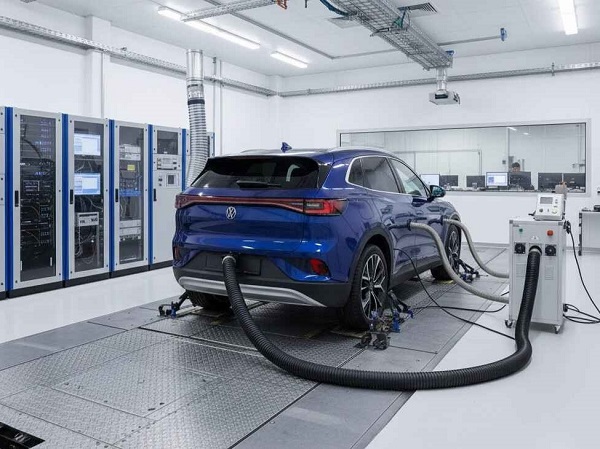
EV Powertrain Testing involves validating the performance, efficiency, reliability, and safety of electric motors, controllers, batteries, transmissions, and integrated vehicle systems. Advanced Motor Testing Systems are used to simulate real-world operating conditions and evaluate motor behavior under different load cycles.
Modern Electric Motor Testing helps manufacturers:
- Improve EV efficiency and performance
- Validate motor durability
- Optimize energy consumption
- Ensure compliance with automotive standards
- Reduce development time and testing errors
Challenges of EV Powertrain Testing and Validation Solutions
1. Complex Integration of Multiple Testing Components
One of the biggest EV Powertrain Testing Challenges & Solutions areas is integrating motors, batteries, inverters, controllers, and software systems into a single testing environment. Managing communication between multiple devices can become highly complicated.
Solution:
Advanced Powertrain Testing Solutions provide flexible automation platforms capable of integrating multiple devices into a unified testing ecosystem. These systems improve synchronization, automation, and testing accuracy.
2. High-Speed Data Acquisition and Synchronized Logging
Electric vehicle motors generate massive amounts of real-time performance data. Traditional testing setups often struggle with high-speed synchronized data logging.
Solution:
Modern Motor Testing Platforms for EV Manufacturers support synchronized data logging up to 1 kHz sampling rates. This allows engineers to capture accurate motor behavior, thermal conditions, torque variations, and efficiency parameters in real time.
Benefits:
- Faster troubleshooting
- Accurate validation
- Improved testing consistency
- Better performance analysis
3. Scattered Data Management in Electric Motor Testing
Managing test data from multiple systems and formats becomes difficult during extensive Electric Motor Testing processes. Scattered data often slows down analysis and increases validation time.
Solution:
Centralized EV Motor Testing and Validation Solutions streamline data management through integrated dashboards and automated reporting tools. These systems help teams analyze results efficiently and maintain better traceability.
4. Testing Multiple Motor Types on a Single Test Bench
EV manufacturers often work with different motor types, including:
- PMSM motors
- BLDC motors
- Induction motors
- Hybrid powertrain systems
Testing each motor separately increases operational costs and complexity.
Solution:
Modern E-Motor Testing Solutions support various motor configurations within a single adaptable testing station. This flexibility helps reduce setup time and improves productivity.
Electric Powertrain Testing Solutions for Vehicle Simulation and Real-World Validation
5. Vehicle Simulation Challenges in EV Testing
Real-world driving conditions vary significantly depending on terrain, load, temperature, and driving patterns. Simulating these conditions accurately is a major challenge.
Solution:
Advanced Electric Powertrain Testing Solutions integrate Road Load Simulation (RLS) and vehicle simulation testing. These systems recreate real driving conditions and various duty cycles for accurate validation.
How motor testing improves EV efficiency:
- Optimizes energy utilization
- Enhances regenerative braking performance
- Improves thermal management
- Reduces power losses
- Extends battery range
6. Compliance with Global Automotive Standards
EV manufacturers must comply with strict international automotive regulations related to safety, emissions, durability, and efficiency.
Solution:
Automated Powertrain Testing Solutions help manufacturers maintain compliance by ensuring consistent testing procedures, accurate reporting, and standardized validation protocols.
EV Motor Testing Solutions for Improved Reliability and Performance
7. Downtime and Inefficiencies in Traditional Motor Testing Systems
Conventional testing setups often involve manual intervention, longer calibration times, and higher maintenance requirements. This results in increased downtime and delayed development cycles.
Solution:
Modern Motor Testing Systems use automation-driven workflows, predictive diagnostics, and integrated monitoring systems to minimize downtime and improve operational efficiency.
Key Advantages:
- Faster testing cycles
- Reduced human error
- Higher productivity
- Improved reliability
- Lower operational costs
8. Customized Report Generation and Analysis
Generating test reports manually can consume significant engineering time and lead to inconsistencies.
Solution:
Advanced EV Motor Testing and Validation Solutions offer customizable automated report generation in multiple formats. Engineers can quickly generate performance reports, validation summaries, and compliance documents.
Key Features of Advanced Electric Motor Testing Solutions
Modern Electric Powertrain Testing Solutions provide several advanced capabilities:
Wide Range of Motor Support
Supports multiple motor technologies and testing requirements.
Optimized Motor Efficiency
Improves overall motor performance while reducing energy consumption.
Integrated Road Load Simulation
Enables realistic vehicle testing and performance validation.
Flexible Automation Platform
Allows seamless integration with multiple testing devices and systems.
High-Speed Data Logging
Provides synchronized real-time data acquisition for accurate analysis.
Why EV Powertrain Testing is Important for Future Mobility
As electric vehicles continue evolving, the importance of reliable EV Powertrain Testing becomes even greater. Advanced testing systems help manufacturers:
- Improve vehicle performance
- Enhance safety and reliability
- Accelerate product development
- Optimize motor efficiency
- Reduce operational costs
- Ensure compliance with global standards
With intelligent Electric Motor Testing and advanced Powertrain Testing Solutions, EV manufacturers can build more efficient, durable, and high-performing electric vehicles for the future.
For companies focused on innovation and scalability, investing in robust EV Motor Testing and Validation Solutions is no longer optional — it is essential for long-term success in the evolving electric mobility industry.
Struggling with complex EV validation challenges?
Connect with us to transform your EV testing process with precision-driven solutions.

The automotive industry is undergoing a major transformation. Traditional internal combustion engine (ICE) vehicles now share development platforms with electric vehicles (EVs), hybrid systems, hydrogen-powered vehicles, and advanced powertrain technologies. As testing requirements become more complex, many manufacturers are realizing that legacy test benches can no longer keep pace.
This is where Automotive Test System Upgradation becomes essential. Modernizing existing test infrastructure helps organizations improve efficiency, reduce downtime, ensure compliance, and support future vehicle technologies without investing in entirely new facilities.
Why Automotive Testing Systems Need Upgradation
Many automotive manufacturers continue to rely on aging test systems that were originally designed for conventional powertrains. These systems often struggle to support modern testing requirements.
Common challenges include:
- Fragmented testing environments
- Increasing complexity across ICE, EV, and hydrogen powertrains
- Manual testing and reporting processes
- Limited real-time visibility into test data
- Poor integration between software and equipment
- Difficulty meeting evolving regulatory standards
- Longer validation cycles and delayed product launches
As a result, organizations face higher operating costs, reduced productivity, and slower innovation.
Key Signs Your Test Bench Requires Modernization
Several indicators suggest that a test facility may benefit from System Upgradation for Test Benches:
Outdated Hardware Infrastructure
Aging controllers, data acquisition systems, and automation hardware can reduce reliability and impact testing accuracy.
Frequent System Breakdowns
Unplanned downtime affects testing schedules and delays product validation programs.
Dependence on Overseas Suppliers
Many legacy systems rely on foreign suppliers for maintenance and spare parts, increasing costs and response times.
Limited Scalability
Older systems often cannot accommodate new equipment, sensors, or testing requirements.
Compliance Challenges
Modern standards such as BS-VI, WLTP, and emerging EV regulations require more advanced testing capabilities.
Benefits of Automotive Test System Modernization Solutions
Investing in automotive test system modernization solutions delivers significant advantages across the product development lifecycle.
Improved Performance and Reliability
Migrating to modern digital technologies enhances system stability, control accuracy, and operational efficiency.
Reduced Operating Costs
Organizations can upgrade only the required components instead of replacing entire facilities.
Enhanced Safety
Additional equipment-level and unit-under-test (UUT) safety mechanisms improve overall testing reliability.
Future-Ready Testing Infrastructure
Modern platforms can adapt to evolving regulations and emerging vehicle technologies.
Simplified Equipment Integration
New instruments and testing devices can be integrated seamlessly even after deployment.
Localized Technical Support
Access to local expertise reduces dependency on international vendors and improves service responsiveness.
Modern Test Bed Upgradation Services for Advanced Powertrains
Today’s testing facilities must support a wide range of vehicle technologies. Professional Test Bed Upgradation Services help organizations extend the life of existing infrastructure while meeting modern testing demands.
Common upgradation projects include:
2-Wheeler Chassis Dynamometer Systems
Supporting emissions measurement and advanced validation requirements.
4-Wheeler Chassis Dynamometer Platforms
Designed to meet BS-VI and WLTP compliance standards.
Mileage Accumulation Dynamometers
Used for durability testing and vehicle lifecycle validation.
Heavy-Duty Chassis Dynamometers
Supporting commercial vehicle performance and endurance testing.
EV Motor Test Benches
Enabling performance evaluation and road load simulation for electric powertrains.
ICE Transmission Test Benches
Providing accurate drivetrain and transmission validation.
Engine Transient Test Benches
Supporting emission, durability, and performance testing.
These capabilities demonstrate how test bed upgradation for EV and ICE vehicles enables manufacturers to handle diverse validation requirements from a unified infrastructure.
The Growing Importance of Data-Driven Testing
As testing environments become increasingly connected, data management has become a critical success factor.
Automotive Test Data Management
Modern testing facilities generate massive volumes of information from dynamometers, battery systems, powertrain controllers, and vehicle networks. Effective Automotive Test Data Management ensures that this data is collected, organized, and analyzed efficiently.
Engineering Test Data Management System
A centralized Engineering Test Data Management System enables teams to access test results, automate reporting, and improve collaboration across departments.
Automotive Validation Data Management
Effective Automotive Validation Data Management helps organizations maintain traceability, improve decision-making, and accelerate product certification.
Powertrain Testing Data Management
Advanced Powertrain Testing Data Management solutions provide a unified view of engine, transmission, motor, and vehicle testing data, simplifying analysis and validation.
Battery Testing Data Platform
As EV adoption grows, a dedicated Battery Testing Data Platform becomes essential for managing battery performance, durability, safety, and lifecycle testing information.
Supporting the Future of ICE, EV, and Hydrogen Vehicle Testing
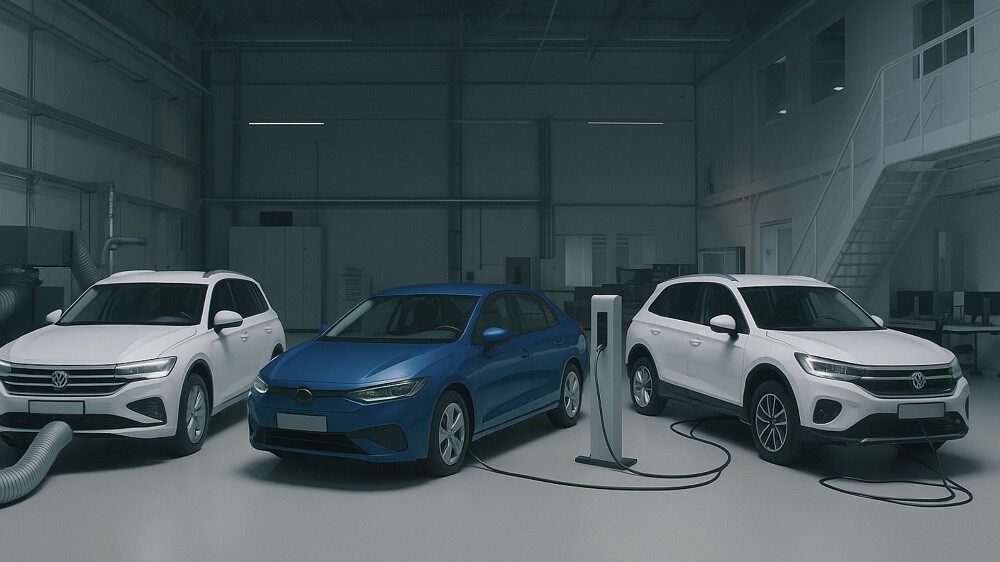
The automotive industry is moving toward multi-technology development environments where ICE, electric, hybrid, and hydrogen-powered vehicles coexist.
Modernized testing systems provide:
- Unified automation platforms
- Improved test equipment integration
- Real-time monitoring and analytics
- Scalable architecture
- Faster validation cycles
- Better regulatory compliance
- Reduced total cost of ownership
Organizations that modernize today position themselves to support future mobility technologies with greater efficiency and confidence.
Why Choose a Strategic Upgradation Approach Instead of Complete Replacement?
Replacing an entire testing facility can be costly and disruptive. A phased upgradation strategy allows manufacturers to:
- Preserve existing investments
- Upgrade only critical components
- Minimize downtime
- Improve ROI
- Accelerate implementation
- Future-proof testing infrastructure
This approach provides the flexibility needed to support evolving automotive technologies without the expense of building new facilities from scratch.
Conclusion
As vehicle technologies continue to evolve, legacy testing systems can become a major obstacle to innovation. Automotive Test System Upgradation offers a practical and cost-effective way to modernize existing infrastructure, improve testing efficiency, and support emerging ICE, EV, and hydrogen powertrain programs.
By combining advanced automation, scalable test platforms, and intelligent data management capabilities, manufacturers can reduce development timelines, enhance compliance, and build a future-ready validation ecosystem that keeps pace with the rapidly changing automotive landscape.