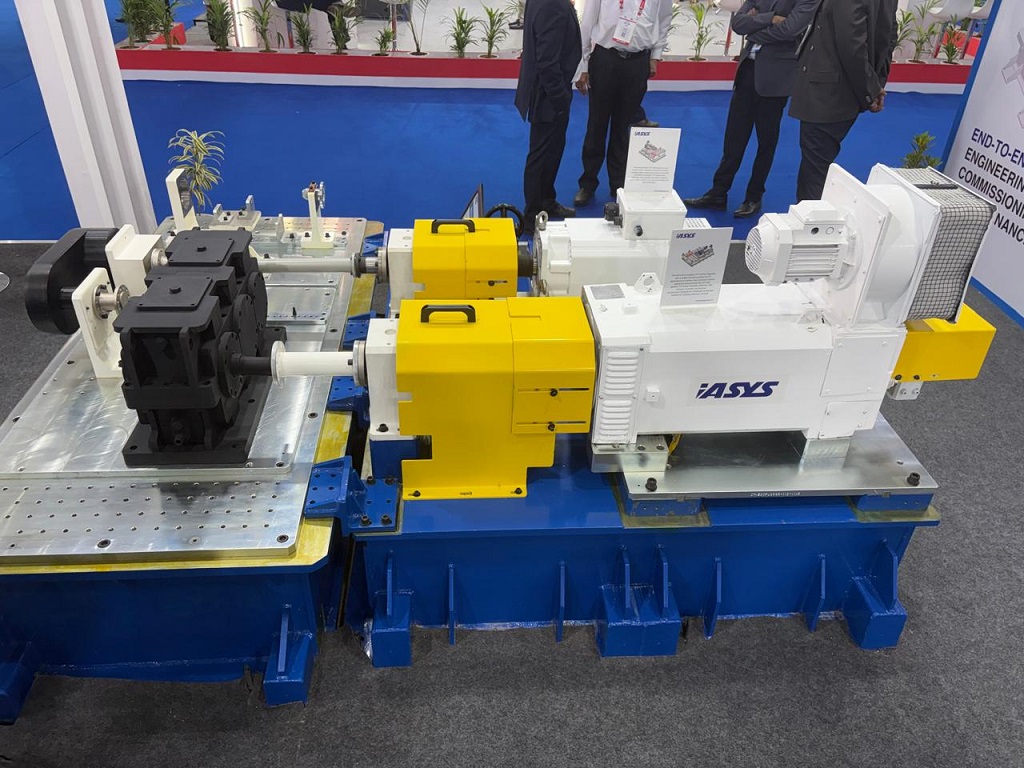

Case Studies

Case Study on EV 2-Wheeler Chassis Test Platform for R&D

Integrated RLS (Road Load Simulation)
iASYS collaborated with an automotive manufacturer and proposed software that enables effortless CAN data mapping to provide a comprehensive eco-friendly solution. The primary focus was on meeting rigorous EPA standards and providing tailor-made software for precise component management

Precision and Progress:Transforming Two-Wheeler Industry with Automated Chassis Trials


Use case: – Vehicle Chassis Dyno Testing (2-Wheeler)

Goal: – Design a versatile research and development chassis test platform to assess a wide variety of two-wheeler vehicles.

Challenges :- Creating an autonomous system that replicates the presence of a rider and passenger on a vehicle using mechanical weights.

Solution :- iASYS proposes using Orbit X for range and performance testing, Drivers Aid Comet, and Orbit V for vehicle chassis testing with robo-throttling and braking. This solution also includes a dead weight arrangement for precise chassis testing with simulated rider and pillion weight.

Results :- Implemented automated testing solution for a range of 2-wheeler applications, leading to streamlined data processing and rapid report generation. Moreover, the dyno system accommodates test executions for both Electric Vehicles (EVs) and conventional fuel-powered 2-wheelers.


 

Download Case Study for More Information

    Share the Post:

    Related Posts

    crash-test-data-automation-vehicle-testing-management-system

    Case Study On Standardizing and Automating Crash Test Reporting

    This case study highlights how iASYS helped a leading global automotive manufacturer standardize and automate its crash test reporting. By centralizing test data and enabling configurable searches, the solution reduced manual effort, improved data accuracy, and enhanced accessibility. The outcome—faster data retrieval, reduced errors, and a strong foundation for analytics—showcases iASYS’s commitment to smarter, future-ready testing systems. This digital transformation enabled faster decision-making, improved validation processes, and strengthened overall testing efficiency.

    Read More
    Scroll to Top