Automotive product development is becoming increasingly complex. With conventional engines, hybrid systems, electric powertrains, batteries, motors, transmissions, and emerging hydrogen technologies being developed simultaneously, R&D facilities need testing systems that can handle multiple technologies efficiently.
Traditional testing approaches that depend heavily on manual intervention, disconnected equipment, and isolated data can make validation slower and more difficult to manage. A modern automotive test automation system can help R&D teams automate test sequences, integrate test equipment, capture data, monitor testing in real time, and improve the repeatability of validation activities.
However, choosing the right system is not simply about selecting the software with the most features. The right solution needs to match the facility’s existing infrastructure, testing requirements, future technology roadmap, and data-management needs.
So, what should an R&D facility consider when selecting an automation platform?
What Is an Automotive Test Automation System?
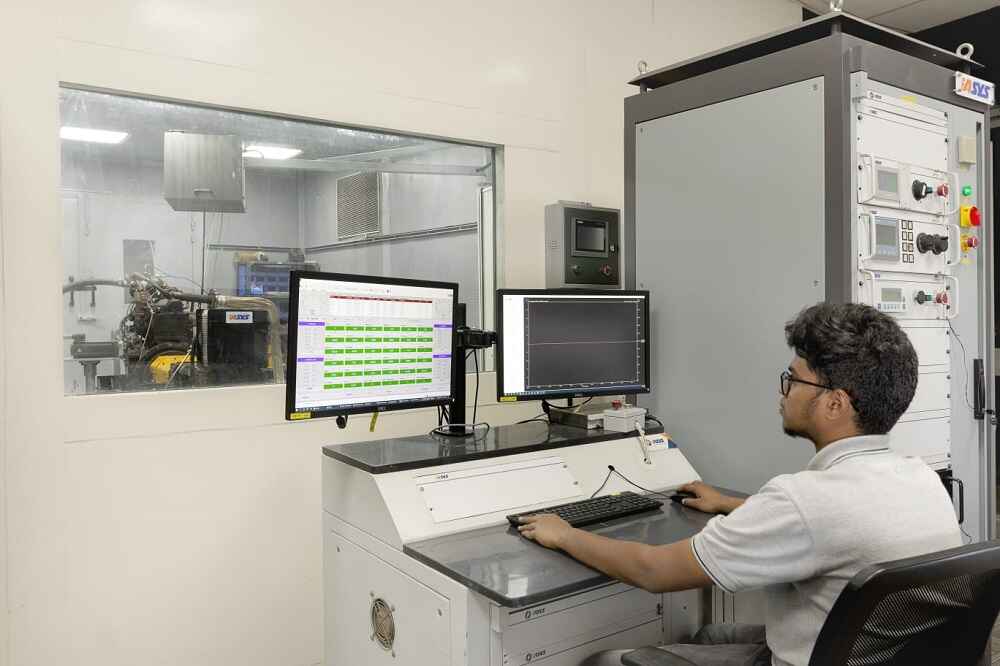
An automotive test automation system combines software, hardware interfaces, measurement systems, controllers, data acquisition, and test-management capabilities to automate testing activities.
Instead of manually configuring every test, engineers can create predefined test sequences, control test parameters, monitor measurements, record results, and generate reports through an integrated environment.
For facilities involved in powertrain testing automation, this can be particularly valuable because testing may involve large numbers of parameters and repetitive validation cycles.
A modern automation platform can support applications across engines, electric motors, batteries, transmissions, and complete vehicles.
For example, iASYS’ Orbit test automation system is designed for automotive testing across engines, electric powertrains, and vehicles, with capabilities for test automation, data logging, test management, and integration with testing equipment.
1. Evaluate Compatibility With Your Existing Test Infrastructure
One of the first questions to ask is whether the automation system can work with your existing test infrastructure.
An R&D facility may already have:
- Dynamometers
- Sensors and measurement devices
- DAQ systems
- Controllers
- ECUs
- Emission analyzers
- CAN interfaces
- Simulation systems
- Test benches
Replacing all existing equipment simply to introduce automation can be expensive and disruptive. Therefore, the automation platform should support integration with existing hardware and third-party devices wherever practical.
This is especially important for organizations considering System Upgradation for Test Benches rather than complete replacement.
For facilities evaluating modernization options, explore iASYS’ Automotive Test System Upgradation solutions.
2. Check Support for Multiple Powertrain Technologies
Automotive R&D is no longer limited to conventional internal combustion engines. Many organizations are simultaneously working with ICE, hybrid, EV, and other emerging powertrain technologies.
Therefore, your automation platform should be capable of supporting different testing requirements as your technology portfolio evolves.
For example, an automation solution may need to support:
- Engine performance and durability testing
- Electric motor testing
- EV powertrain validation
- Battery-related testing
- Transmission testing
- Vehicle-level testing
- Emission testing
- Hybrid powertrain validation
This makes Vehicle Testing Solutions and EV Testing Solutions important considerations when evaluating an automation platform.
3. Look for Strong Test Sequencing and Automation Capabilities
Test automation should do more than simply collect measurements.
A capable platform should help engineers create and execute structured test sequences while reducing repetitive manual intervention.
Important capabilities can include:
- Automated test sequencing
- Parameter configuration
- Automated test execution
- Real-time monitoring
- Event-based control
- Automated data logging
- Test result generation
- Repeatable test workflows
These capabilities are particularly important for powertrain testing automation, where the same validation procedure may need to be repeated under different operating conditions.
For example, an engineer may need to execute multiple operating points, record measurements, compare results, and repeat the process under different environmental or load conditions.
4. Consider Integration With Testing Equipment and Simulators
Modern automotive testing involves multiple systems working together.
An automation platform should therefore be able to communicate with relevant test equipment and simulation environments.
Depending on the application, this could include:
- CAN simulators
- Inverter simulators
- Grid simulators
- Robotic driver simulators
- Chassis dynamometers
- Emission analyzers
- Measurement systems
- Data acquisition hardware
The Orbit test automation system supports integration with testing devices and simulators and can be used for test-bed automation and centralized test management.
This interoperability is important because R&D facilities rarely operate with a single manufacturer’s equipment ecosystem.
5. Prioritize Automotive Test Data Management
Automated testing generates large volumes of data. Simply collecting this data is not enough; organizations also need to organize, access, compare, analyze, and manage test results efficiently.
This makes Automotive Test Data Management an important factor when choosing an automation system.
Ask whether the platform can support:
- Centralized data storage
- Test result tracking
- Data logging
- Test history
- Result comparison
- Automated reporting
- Data accessibility
- Validation traceability
For larger facilities, an Engineering Test Data Management System can help bring information from different testing activities into a more structured environment.
Similarly, Powertrain Testing Data Management becomes important when multiple test benches and powertrain configurations are being evaluated simultaneously.
Connect Testing With Centralized Data Management
A modern test environment should not treat test execution and data management as two completely separate activities.
The BRIX Platform is positioned around product validation management and engineering data across ICE, hybrid and EV automotive applications.
This type of centralized approach can help organizations move from simply generating test data to managing validation information as part of a connected R&D workflow.
6. Assess Scalability for Future Testing Requirements
An automation system selected today may need to support technologies and test requirements that are added several years later.
Therefore, scalability should be part of the evaluation process.
Consider whether the system can expand to support:
- Additional test benches
- New measurement equipment
- EV powertrain testing
- E motor testing solutions
- Battery testing
- Transmission testing
- Vehicle-level validation
- Emerging hydrogen applications
A modular automation platform can help organizations adapt their testing infrastructure as technology requirements change.
7. Evaluate Centralized Test Management
As the number of test benches increases, managing individual systems independently can become difficult.
A centralized Vehicle Testing Management System can provide better visibility into test activities, test status, data, and results.
Instead of engineers having to work across multiple disconnected environments, centralized test management can help bring relevant information together.
This becomes particularly valuable for organizations managing multiple facilities, powertrain programs, or testing teams.
8. Consider Automation for EV Powertrain Validation
EV development introduces additional testing requirements involving electric motors, batteries, inverters, power electronics, and complete electric powertrains.
As a result, EV Powertrain Validation requires automation systems capable of handling multiple measurement and control requirements.
A suitable platform should be able to support repeatable testing while integrating relevant simulation, measurement, control, and data-management systems.
For organizations working across both conventional and electric platforms, having a common automation architecture can also help reduce fragmentation between testing environments.
Explore iASYS’ EV Testing Solutions for more information about electric powertrain testing.
9. Don't Overlook Test System Upgradation
Choosing a new automation system does not always mean replacing an entire test facility.
In many cases, existing infrastructure can be upgraded with modern controllers, software, automation layers, data-management capabilities, and interfaces.
This is where Automotive Test System Upgradation becomes an important consideration.
Before investing in a completely new test bed, organizations should evaluate:
- What existing hardware can be retained?
- Which controllers need replacement?
- Can existing sensors be integrated?
- Can software and automation be modernized?
- Can data-management capabilities be added?
- Can the upgraded system support future EV and ICE requirements?
Need to Modernize Your Existing Test Bench?
If your current testing infrastructure is functional but relies on outdated automation, controls, or software, iASYS provides Test Bed Upgradation Services designed around modernizing existing automotive testing infrastructure.
10. Evaluate Reporting and Validation Requirements
The final consideration is what happens after the test is completed.
A modern automation platform should help engineers convert test results into useful engineering information.
Automated reporting can help with:
- Test result documentation
- Performance comparison
- Validation tracking
- Repeatability analysis
- Compliance documentation
- Engineering decision-making
The Orbit test automation system includes test execution, data acquisition, and reporting capabilities for automotive testing applications.
A Practical Checklist for Choosing an Automotive Test Automation System
Before selecting an automation platform, R&D teams should evaluate it against the following questions:
✓ Does it integrate with our existing test equipment?
✓ Can it support ICE, hybrid and EV testing requirements?
✓ Does it provide reliable powertrain testing automation?
✓ Can it automate repetitive test sequences
✓ Does it support centralized test management?
✓ Can it handle Automotive Test Data Management requirements?
✓ Is it scalable for additional test benches and technologies?
✓ Can existing test beds be upgraded instead of completely replaced?
✓ Does it support automated reporting and validation tracking?
✓ Can it adapt as R&D requirements evolve?
Conclusion
Selecting the right automotive test automation system is a strategic decision for any modern R&D facility. The ideal solution should align with current testing requirements while providing the flexibility to support future powertrain technologies.
From powertrain testing automation and EV Powertrain Validation to centralized test management, Automotive Test Data Management, and test-bed modernization, organizations should evaluate the complete testing ecosystem rather than focusing on a single software feature.
A well-designed automation environment can connect test execution, equipment integration, data acquisition, validation, and reporting into a more efficient R&D workflow.
Ready to build a smarter, more connected automotive testing environment? Connect with iASYS to discuss your test automation, validation, data management, or test-bed modernization requirements.
Explore iASYS Automotive Testing Solutions and discover how integrated automation can support your next-generation R&D and validation programs.
FAQs
What is an automotive test automation system?
An automotive test automation system combines software, hardware interfaces, measurement systems, controllers, data acquisition, and test-management capabilities to automate automotive testing processes.
What are the benefits of automotive test automation?
Automotive test automation can improve test repeatability, reduce manual intervention, standardize test sequences, accelerate validation activities, improve data collection, and support automated reporting.
What should I consider when choosing an automotive test automation system?
Important factors include equipment compatibility, test sequencing, automation capabilities, data management, scalability, integration, centralized test management, reporting, and compatibility with future testing requirements.
Can an automotive test automation system support EV testing?
Yes. A suitable automation platform can support EV powertrain validation, electric motor testing, battery-related testing, inverter testing, and other electric powertrain applications depending on its capabilities and configuration.
Can existing automotive test benches be upgraded for automation?
In many cases, yes. Existing test benches can potentially be modernized with updated controllers, software, automation layers, interfaces, and data-management capabilities instead of completely replacing the infrastructure.
What is the role of data management in automotive testing?
Automotive Test Data Management helps organizations organize, store, retrieve, compare, analyze, and report testing information, making test results easier to use for validation and engineering decisions.
What is the Orbit test automation system?
Orbit is an iASYS automotive test automation platform designed for applications including engine, electric powertrain, vehicle, and other automotive testing requirements.