Case Studies

Case Study on ENGINE R&D TEST FACILITY UPGRADE

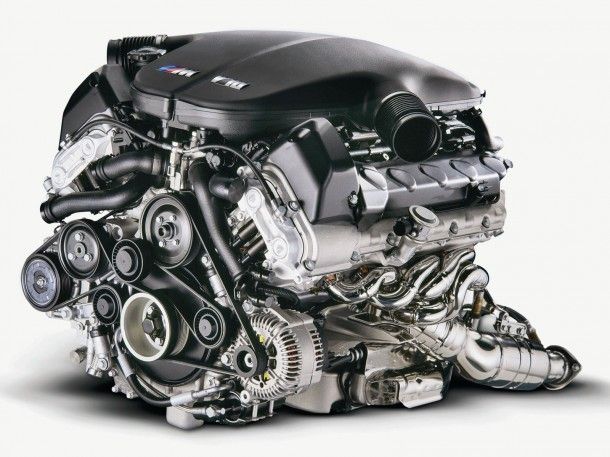
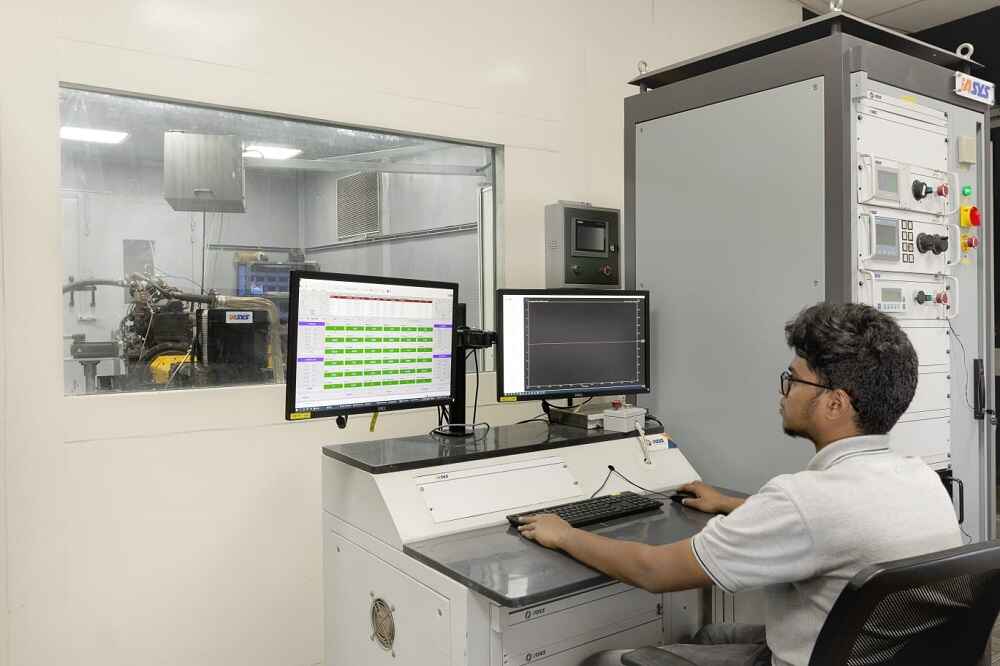
A global automotive company faced rising costs and compliance challenges with its outdated engine R&D system. We delivered a smart, scalable upgrade enhancing performance by 50% and achieving major cost savings through selective modernization.

Driving High-Volume Motor Production with Orbit Triton-Powered EOL Automation


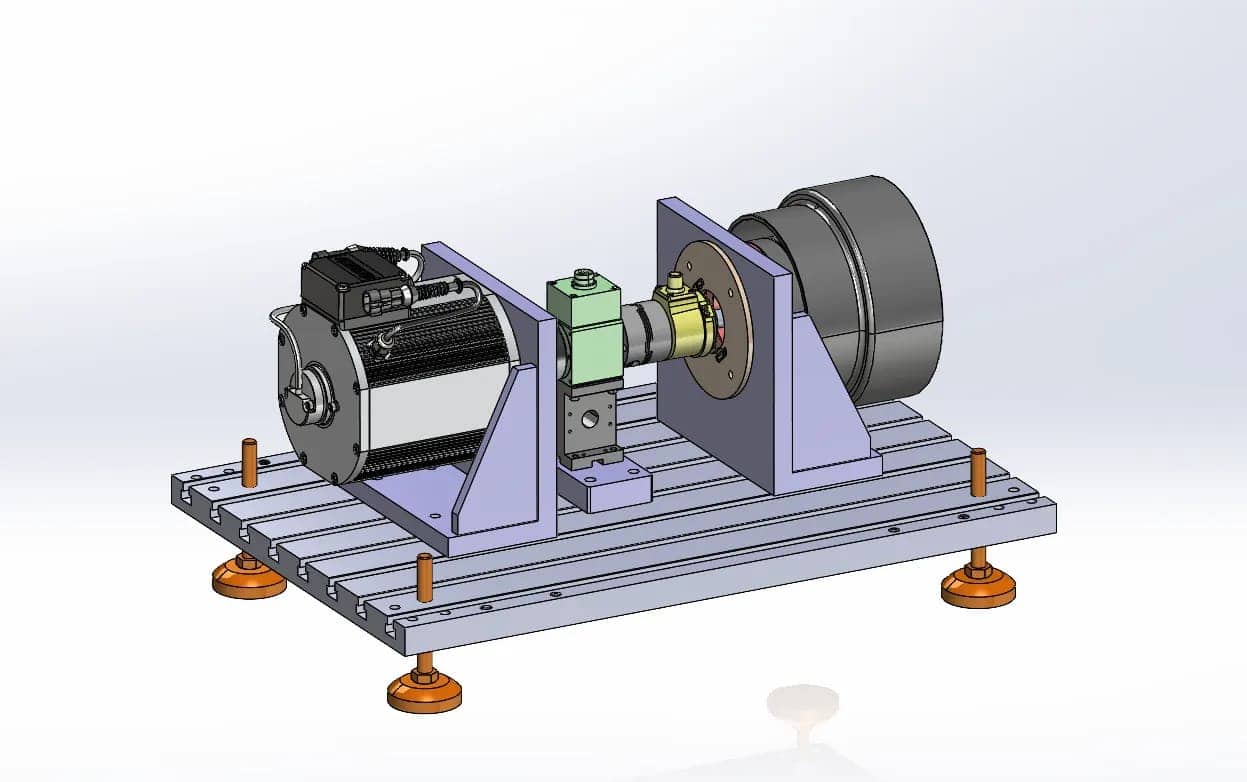
Use case: –End-of-line (EOL) automated motor testing solution to validate new-generation motors with high accuracy, reduced cycle time, and fully automated report generation.

Goal: –To implement a fully automated motor-level testing system that meets production targets by reducing test cycle time while improving accuracy, traceability, and throughput.

Challenges:-The customer needed to integrate multiple measurement devices, synchronize PLC and automation systems, and eliminate operator dependency, all while achieving aggressive cycle-time targets.

Solution:-iASYS deployed the Orbit Triton platform for EOL motor testing, integrating barcode scanning, multiple electrical measurement devices, and advanced auto-sequence logic controlled through high-speed PLCs.

Results :-Improved test accuracy by up to 50%, reduced test execution time by 25%, and increased manufacturing capacity by up to 30% through fully automated, operator-free testing and real-time data acquisition.

Download Case Study for More Information

    Share the Post:

    Related Posts

    CASE STUDY: UNIVERSAL EV POWERTRAIN TEST RIG

    This case study highlights how iASYS delivered a Universal EV Powertrain
    Testrig for a leading Japanese OEM, enabling validation of multiple
    drivetrain Units Under Test (UUTs) on a single, integrated test platform. By
    combining mechanical driveline systems, high-performance dynamometers,
    Orbit-T–based automation, and fast, synchronized data acquisition, the
    solution addressed increasing validation complexity across conventional
    and electrified powertrains. The integrated test infrastructure improved
    testing flexibility, reduced capital expenditure, simplified operations, and
    ensured accurate, repeatable Road Load Simulation (RLS) for both
    component-level and powertrain-level testing. This future-ready platform
    supports EV motors, CVTs, transmissions, and differentials while delivering
    high-fidelity real-world load reproduction across a wide operating envelope.

    Read More
    Scroll to Top