Case Studies

Case study on Crash Safety lifecycle management

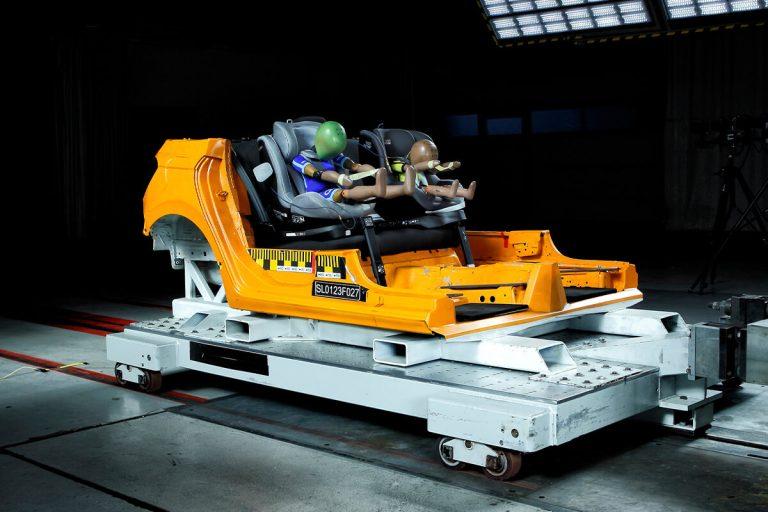
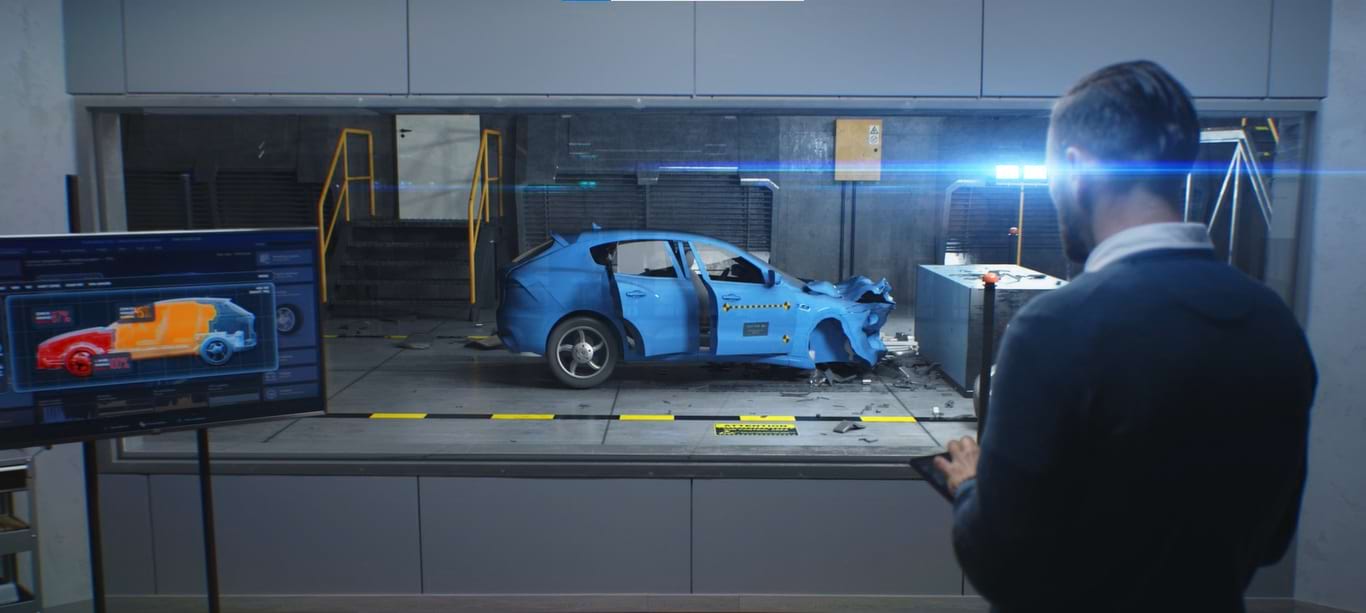
This case study highlights how iASYS helped a leading Indian automotive OEM reduce crash safety test lifecycle time by 60%, streamline asset management, automate reporting, and improve traceability using the BRIX platform.

Transforming Crash Safety Testing for Faster, Smarter Lifecycle Management

Use case: – Centralized digital management of the crash safety test lifecycle, covering DVP creation, test planning, facility scheduling, prototype tracking, and automated report generation through the BRIX platform.

Goal: –To create a unified digital ecosystem that enables transparent planning, efficient scheduling, standardized reporting, and end-to-end traceability across crash safety testing processes.

Challenges:-Crash test planning and approvals were managed across disconnected platforms, while asset, prototype, and facility coordination relied on emails. Manual data collection and reporting caused delays, errors, and lack of visibility.

Solution:-iASYS implemented the BRIX platform to digitize DVP management, automate planning and scheduling, standardize test data collection, and enable automated report generation with complete lifecycle traceability.

Results :-Reduced crash safety test lifecycle time by 60% and cut test data collection and report preparation efforts by 60–70%. Improved visibility, asset utilization, process standardization, and knowledge management across teams.

Download Case Study for More Information

    Share the Post:

    Related Posts

    CASE STUDY: UNIVERSAL EV POWERTRAIN TEST RIG

    This case study highlights how iASYS delivered a Universal EV Powertrain
    Testrig for a leading Japanese OEM, enabling validation of multiple
    drivetrain Units Under Test (UUTs) on a single, integrated test platform. By
    combining mechanical driveline systems, high-performance dynamometers,
    Orbit-T–based automation, and fast, synchronized data acquisition, the
    solution addressed increasing validation complexity across conventional
    and electrified powertrains. The integrated test infrastructure improved
    testing flexibility, reduced capital expenditure, simplified operations, and
    ensured accurate, repeatable Road Load Simulation (RLS) for both
    component-level and powertrain-level testing. This future-ready platform
    supports EV motors, CVTs, transmissions, and differentials while delivering
    high-fidelity real-world load reproduction across a wide operating envelope.

    Read More
    Scroll to Top