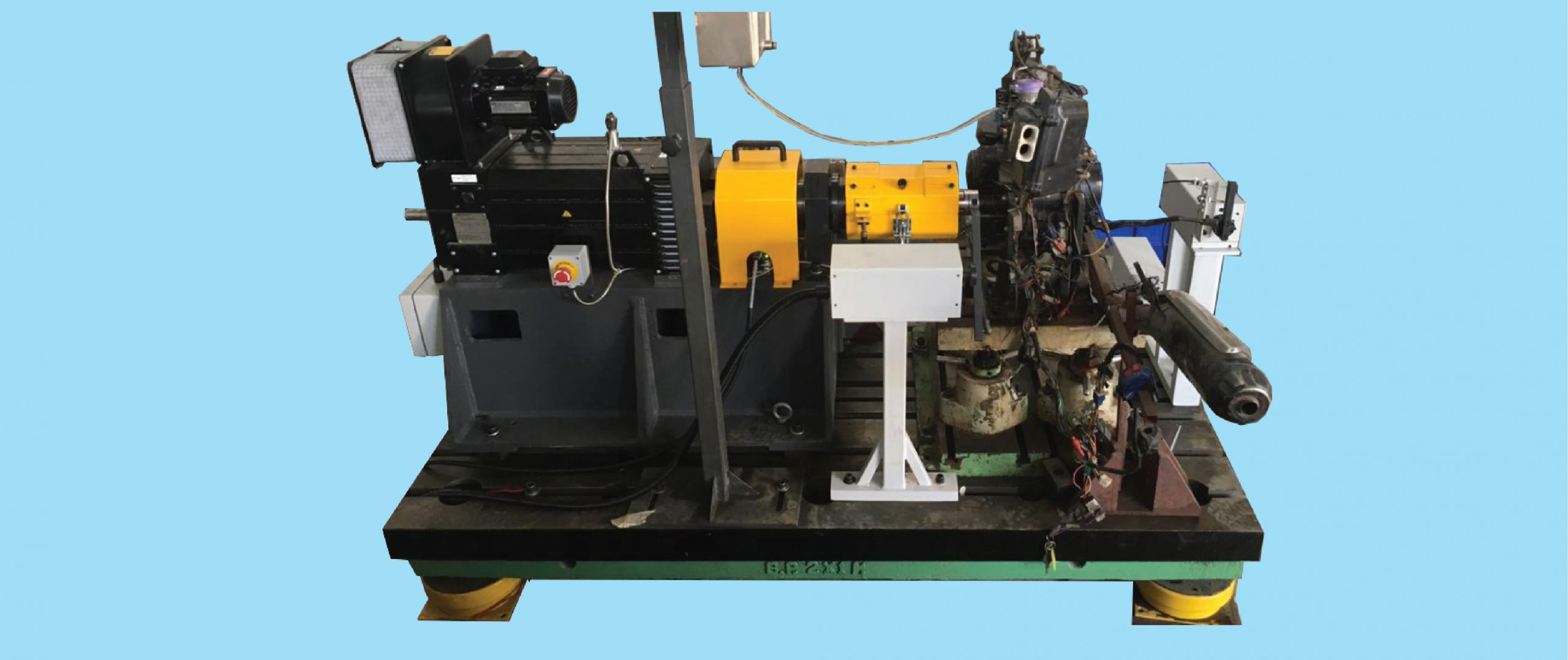
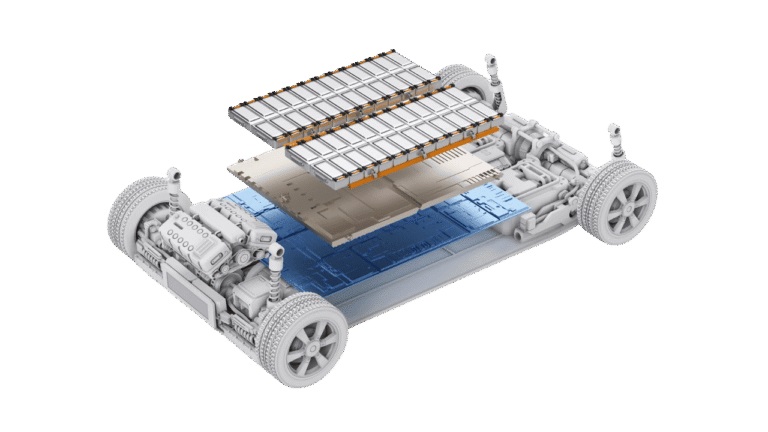
The global transition toward electric mobility is accelerating at an unprecedented pace. With governments pushing for cleaner transportation and consumers demanding high-performance electric vehicles (EVs), battery technology has become the backbone of the entire ecosystem. At the heart of this transformation lies one critical process — EV Battery Testing.
Battery performance directly determines an electric vehicle’s driving range, safety, reliability, and lifespan. Without a robust battery testing system, manufacturers risk performance failures, safety hazards, regulatory non-compliance, and reputational damage. In today’s competitive e-mobility landscape, advanced Battery Testing Solutions for E-Mobility are no longer optional — they are essential.
This blog explores why battery testing is important for EV performance, safety, and compliance, and how modern Battery Test Solutions help manufacturers meet evolving industry demands.
The Role of Batteries in Electric Vehicles
Unlike conventional vehicles powered by internal combustion engines, EVs rely entirely on battery packs for propulsion. The battery is not just a component — it is the vehicle’s energy source, cost driver, and performance determinant.
Battery systems influence:
● Driving range
● Charging speed
● Acceleration performance
● Vehicle weight
● Overall safety
● Lifecycle durability
Any inconsistency in battery behavior can significantly impact the vehicle’s efficiency and user experience. This is why comprehensive Battery Testing and Energy Storage Solutions are required at every stage — from cell development to full pack integration.
Why EV Battery Testing Is Essential
1. Ensuring Performance Consistency
One of the biggest challenges manufacturers face is performance variability. Even minor differences in cell chemistry, temperature exposure, or manufacturing quality can result in inconsistent output.
Through structured EV Battery Testing, manufacturers can evaluate:
● Capacity measurement
● Energy density
● Peak power output
● Internal resistance
● Charge/discharge efficiency
Modern electric vehicles operate with extremely high power and torque requirements. For instance, high-performance EV platforms may require validation of specifications such as:
● Continuous Power: 336 kW
● Maximum Power: 438 kW
● Maximum Torque: 2455 Nm
● Nominal Voltage: 600 Vdc
● Maximum Speed: 4000 RPM
Advanced Battery Testing Solutions for EVs and HEVs help validate these parameters under simulated real-world conditions. By testing battery packs against such performance requirements, manufacturers ensure consistent energy delivery, stable voltage behavior, and reliable vehicle performance across production batches.
2. Preventing Safety Risks
Safety is a critical concern in electric vehicles. Incidents involving battery fires or thermal runaway can severely damage a brand’s credibility.
Common battery-related safety risks include:
● Overcharging
● Short circuits
● Thermal runaway
● Mechanical stress failures
● Electrochemical instability
A well-designed battery testing system performs overcharge tests, short circuit simulations, and thermal chamber analysis to evaluate how batteries behave under extreme conditions.
By implementing advanced Battery Test Solutions, manufacturers can proactively detect vulnerabilities before vehicles reach the market.
3. Managing Thermal Performance
Temperature plays a crucial role in battery efficiency and longevity. Extreme heat can accelerate degradation, while cold conditions can reduce capacity and output power.
Modern Battery Testing and Energy Storage Solutions include thermal chamber simulations that replicate real-world environmental conditions. These tests help manufacturers understand:
● Heat generation patterns
● Cooling system efficiency
● Performance under varying climate conditions
● Long-term thermal stability
This is particularly important in markets like India, where temperature variations can be extreme. Reliable battery testing solutions in India ensure EVs perform efficiently across diverse geographic regions.
4. Seamless BMS Integration
The Battery Management System (BMS) is responsible for monitoring voltage, temperature, state of charge, and overall health of the battery pack.
However, BMS integration can be complex. Inaccurate calibration or communication errors may lead to:
● Incorrect charge estimation
● Reduced battery life
● Safety hazards
● Poor vehicle performance
Advanced Battery Testing Solutions for E-Mobility enable real-time BMS integration during testing. This ensures accurate monitoring, protection, and performance optimization before commercial deployment.
5. Compliance with Global Regulations
Governments worldwide have introduced strict regulations to ensure EV safety and environmental compliance. Batteries must pass rigorous standards related to:
● Safety testing
● Environmental impact
● Performance benchmarks
● Lifecycle durability
Without proper EV Battery Testing, manufacturers risk compliance failures that can delay product launches and incur financial penalties.
Comprehensive Battery Test Solutions help companies align with national and international certification requirements, ensuring smoother market entry.
Key Challenges in Battery Testing
Despite its importance, battery testing comes with multiple challenges:
Performance Variability
Different manufacturing batches may show slight inconsistencies, impacting large-scale production quality.
Safety Concerns
Testing high-voltage battery packs requires advanced safety protocols and infrastructure.
Environmental Factors
Humidity, temperature, and vibration can influence battery performance.
Integration Issues
Ensuring seamless coordination between battery modules and BMS systems is complex.
Data Accuracy
Accurate logging and analytics are essential for actionable insights.
This is where structured Battery Testing and Energy Storage Solutions provide a competitive advantage.
Components of a Robust Battery Testing System
An effective battery testing system typically includes:
1. Capacity Measurement and Efficiency Analysis
Accurate assessment of energy storage capability and charge/discharge efficiency.
2. Peak Power Evaluation
Testing battery response under high-load conditions to ensure reliability during acceleration.
3. Overcharge and Short Circuit Assessments
Simulating fault scenarios to validate safety mechanisms.
4. Thermal Chamber Simulations
Evaluating battery behavior under extreme environmental conditions.
5. Real-Time Monitoring and Data Logging
Capturing precise performance data for analytics and lifecycle optimization.
Advanced Battery Testing Solutions for EVs and HEVs integrate automation and diagnostics to reduce testing errors and improve reliability.
Benefits of Advanced Battery Testing Solutions
Improved Battery Reliability
Through continuous monitoring and calibration, manufacturers can extend battery lifespan and reduce field failures.
Reduced Testing Errors
Automation minimizes human error and ensures consistent results.
Faster Time-to-Market
Efficient Battery Test Solutions streamline validation cycles.
Enhanced Safety Standards
Comprehensive testing reduces the risk of recalls and safety incidents.
Cost Optimization
Early detection of performance issues prevents expensive post-production corrections.
Importance of Battery Testing in the Indian EV Market
India’s EV market is rapidly growing, supported by government incentives and sustainability initiatives. However, the country’s diverse climate conditions and infrastructure challenges make battery validation even more critical.
Reliable battery testing solutions in India help manufacturers:
● Ensure durability in high-temperature environments
● Validate performance in urban and rural driving conditions
● Meet domestic regulatory requirements
● Compete globally with export-ready products
With India emerging as a manufacturing hub for EV components, investing in advanced Battery Testing Solutions for E-Mobility is essential for long-term growth.
Battery Testing Beyond Vehicles: Energy Storage Systems
Battery testing is not limited to EVs. It also plays a crucial role in energy storage applications such as:
● Renewable energy storage
● Grid stabilization
● Industrial backup systems
● Commercial energy solutions
Integrated Battery Testing and Energy Storage Solutions ensure optimal performance across mobility and stationary storage applications, supporting the broader clean energy transition.
Lifecycle Management: From Development to Deployment
Battery validation is not a one-time process. It spans multiple stages:
- Research & Development Testing
- Prototype Validation
- Production Quality Testing
- End-of-Line Testing
- Post-Market Monitoring
A structured battery testing system with lifecycle management capabilities ensures consistent quality across all stages of product development.
The Future of EV Battery Testing
As EV technology evolves, testing requirements are becoming more sophisticated. Emerging trends include:
● AI-driven diagnostics
● Predictive failure analytics
● Real-time cloud monitoring
● High-voltage ultra-fast charging validation
● Solid-state battery testing
Modern Battery Testing Solutions for EVs and HEVs are adapting to support next-generation battery chemistries and architectures.
Manufacturers that invest in scalable and intelligent Battery Test Solutions will be better positioned to lead the future of e-mobility.
Conclusion
Battery performance defines the success of electric vehicles. Without comprehensive EV Battery Testing, manufacturers face risks related to safety, compliance, performance inconsistency, and market reputation.
A robust battery testing system ensures:
● Performance reliability
● Thermal stability
● Safety compliance
● Accurate BMS integration
● Regulatory adherence
As the EV industry continues to expand, particularly in emerging markets, investing in advanced Battery Testing Solutions for E-Mobility is not just a technical requirement — it is a strategic necessity.
By leveraging advanced platforms such as iASYS, manufacturers can streamline EV Battery Testing, enhance safety validation, and accelerate compliance readiness.
The future of transportation depends on reliable batteries — and reliable batteries depend on comprehensive testing.