
Use case: – The use case focused on digitizing and automating the end-to-end automotive certification process, including planning, testing, validation, reporting, and stakeholder collaboration through a unified platform.
Goal: – The goal was to reduce certification turnaround time, improve operational efficiency, and ensure high accuracy while enabling real-time tracking, better collaboration, and scalability for increasing certification demand.
Challenges:- The organization faced significant challenges due to its reliance on manual and disconnected processes across the certification lifecycle. Inefficient planning and scheduling led to delays and poor resource utilization, while manual data entry and calculations increased the risk of errors. There was limited real-time visibility into certification progress and key performance indicators, making decision-making slower. Additionally, scalability issues and lack of coordination among stakeholders made it difficult to manage increasing certification demand and evolving regulatory requirements.
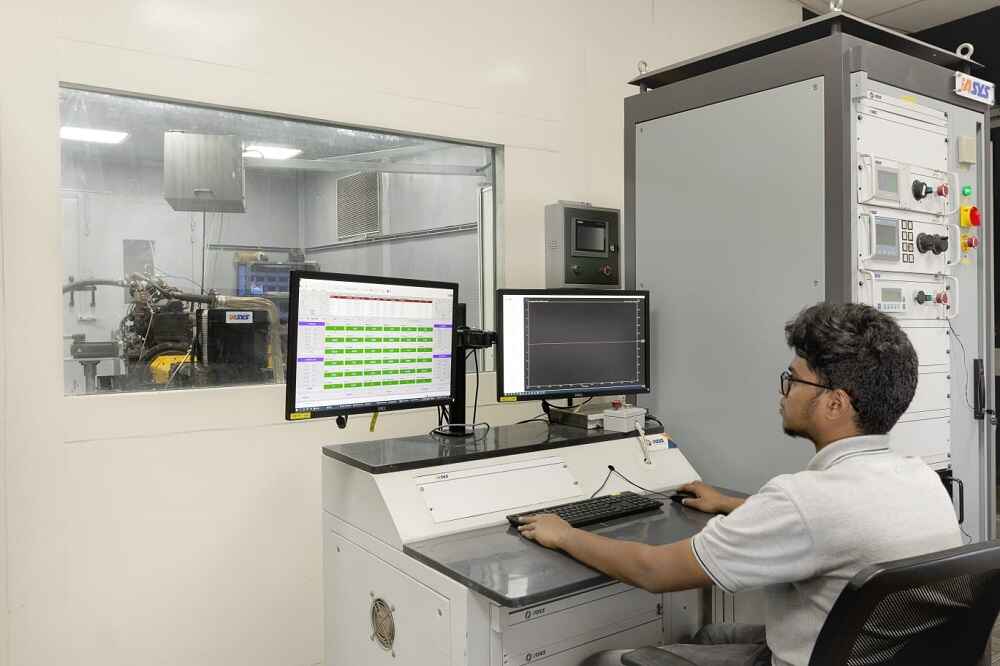
Solution:- iASYS implemented a centralized digital certification platform that streamlined operations through a web-based system accessible across departments. The solution integrated seamlessly with test bench automation systems, enabling automated data capture and improving accuracy through legislative calculations. It introduced end-to-end workflow automation, covering quality planning, approvals, and report generation with annexures. With built-in audit trails, advanced analytics, and a scalable architecture, the platform reduced manual intervention and ensured readiness for future regulatory changes.
Results / Outcomes:- The implementation resulted in a 30–40% reduction in certification turnaround time and a 60–70% decrease in manual effort and errors. Certification reports could be generated within minutes, significantly improving efficiency and delivery timelines. Real-time visibility through a customer portal enhanced transparency, trust, and collaboration among stakeholders. Overall, the solution enabled faster decision-making, improved operational flexibility, and increased customer satisfaction while ensuring adaptability to changing regulations.