Case Studies

Case Study On Standardizing and Automating Crash Test Reporting

crash-test-data-automation-vehicle-testing-management-system
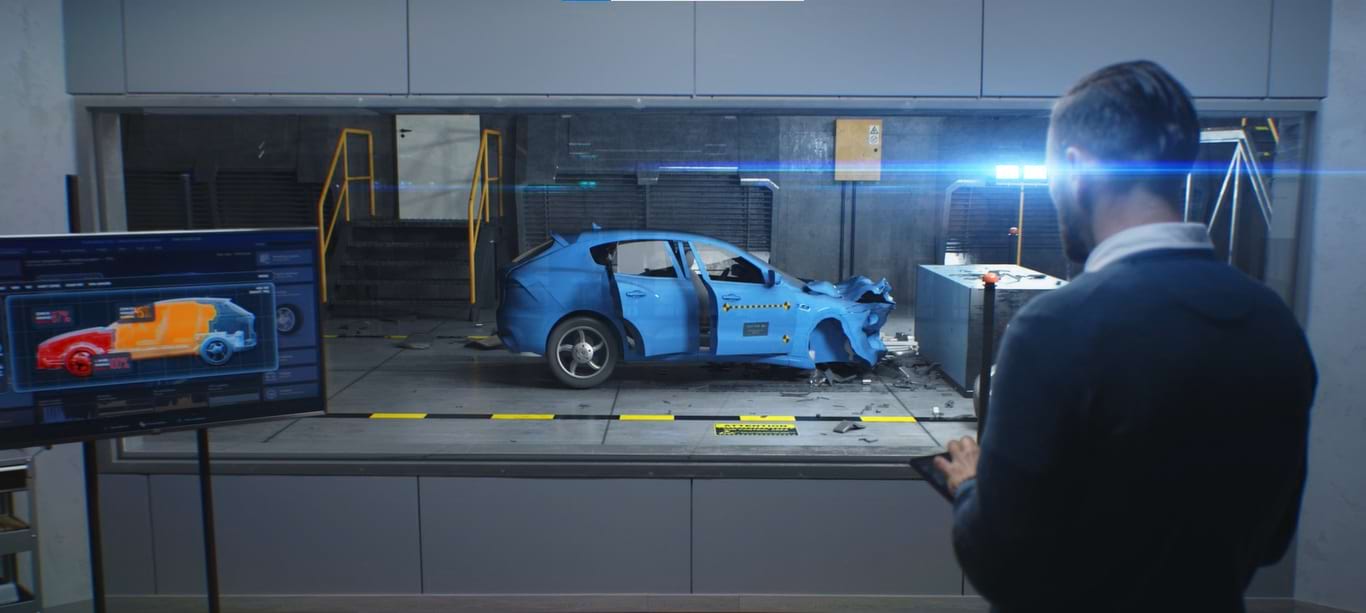
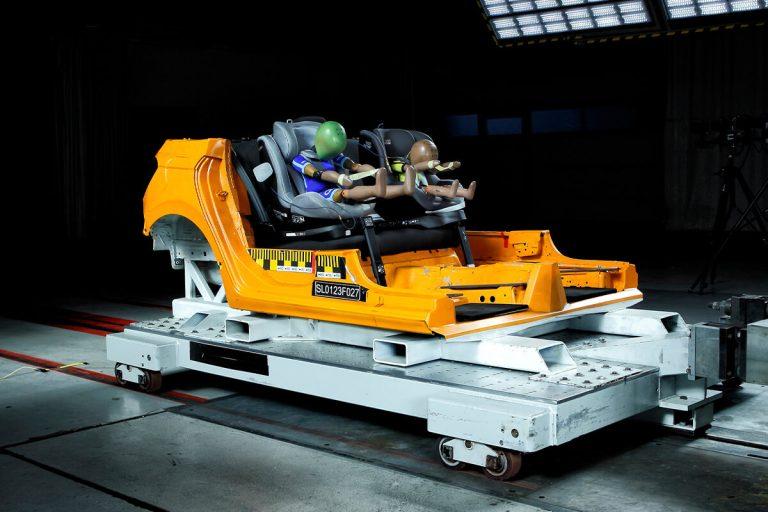
This case study highlights how iASYS helped a leading global automotive manufacturer standardize and automate its crash test reporting. By centralizing test data and enabling configurable searches, the solution reduced manual effort, improved data accuracy, and enhanced accessibility. The outcome—faster data retrieval, reduced errors, and a strong foundation for analytics—showcases iASYS’s commitment to smarter, future-ready testing systems. This digital transformation enabled faster decision-making, improved validation processes, and strengthened overall testing efficiency.

Standardizing Crash Test Data for Accuracy, Accessibility, and Future Analytics


Use case: –Digitization and standardization of crash test reporting by centralizing test requests, measurements, and reports into a single, searchable crash database.

Goal: –To eliminate fragmented data handling, reduce manual data entry errors, and create a scalable, future-ready foundation for advanced analytics and data-driven validation.

Challenges:-Crash test data was scattered across Excel sheets and Access databases, lacked standardized workflows, and was difficult to search, reuse, or scale for future applications.

Solution:-iASYS implemented the BRIX platform with a centralized crash database built on ASAM ODS standards, enabling structured data storage, auto-import of measurements, and configurable metadata search.

Results :-Reduced manual data entry effort by 50–60%, lowered transcription errors by up to 80%, and achieved 40–50% faster data search and retrieval, creating a robust, analytics-ready crash testing ecosystem.

Download Case Study for More Information

    Share the Post:

    Related Posts

    CASE STUDY: UNIVERSAL EV POWERTRAIN TEST RIG

    This case study highlights how iASYS delivered a Universal EV Powertrain
    Testrig for a leading Japanese OEM, enabling validation of multiple
    drivetrain Units Under Test (UUTs) on a single, integrated test platform. By
    combining mechanical driveline systems, high-performance dynamometers,
    Orbit-T–based automation, and fast, synchronized data acquisition, the
    solution addressed increasing validation complexity across conventional
    and electrified powertrains. The integrated test infrastructure improved
    testing flexibility, reduced capital expenditure, simplified operations, and
    ensured accurate, repeatable Road Load Simulation (RLS) for both
    component-level and powertrain-level testing. This future-ready platform
    supports EV motors, CVTs, transmissions, and differentials while delivering
    high-fidelity real-world load reproduction across a wide operating envelope.

    Read More
    Scroll to Top