Case Studies

Case Study On Custom Belt Durability Test Rig For Ev Transmission Validation

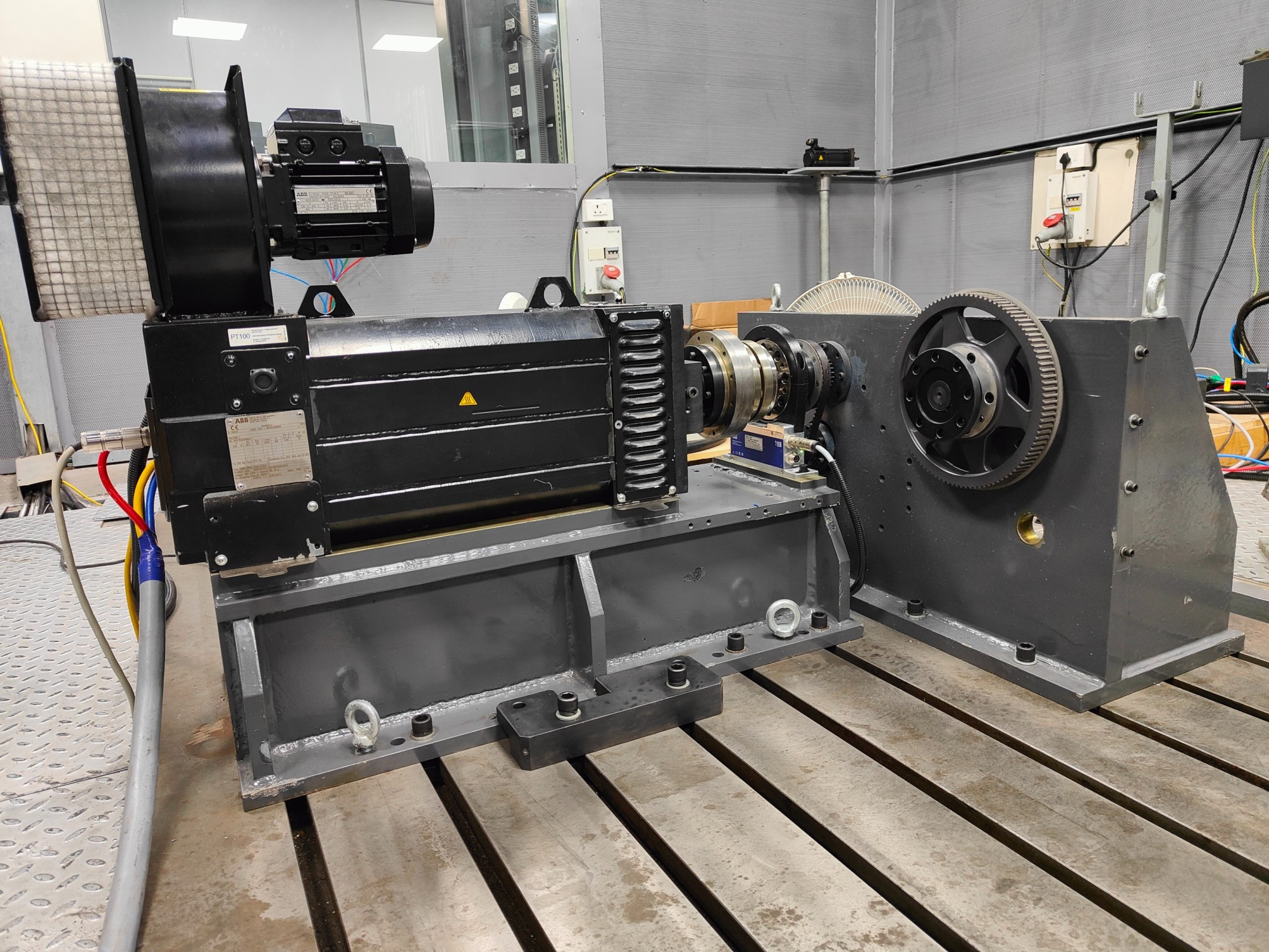
EV Transmission Testing Rig
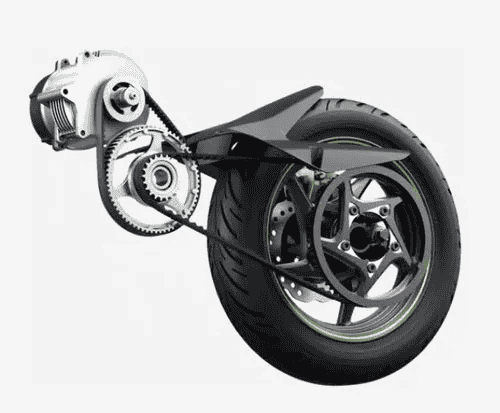
This case study showcases how iASYS engineered a Custom Belt Durability Test Rig for electric vehicle (EV) transmission validation. The solution featured a fixed and movable dyno system, multi-directional adjustable idler post, and flexible pulley adaptations to meet diverse OEM needs. With precise torque control, real-time load monitoring, and advanced thermal management, the rig enabled 1000+ hours of reliable testing, reduced vehicle-level testing efforts, and accelerated product development by 20–25%.

Engineering a Versatile Durability Testing Platform for EV Transmissions


Use case: -Custom belt durability testing for EV transmission systems, supporting endurance, RLS, and efficiency validation across single-stage and dual-stage transmission layouts.

Goal: -To design a flexible, high-precision test rig capable of long-duration testing under real-world load and temperature conditions while meeting diverse OEM configuration requirements.

Challenges:-Ensuring precise mechanical alignment in fixed and movable dyno setups, supporting multiple pulley configurations, and maintaining stability during high-torque, high-speed endurance testing.

Solution:-iASYS designed a fixed and movable dyno system with a multi-directional adjustable idler post, integrated real-time load sensing, precise torque control, and semi-closed thermal management for accurate validation.

Results :-Enabled 1000–1200 hours of stable testing, reduced vehicle-level testing efforts by 25–30%, and accelerated product development by 20–25%, while supporting flexible transmission layouts and multiple test scenarios


Download Case Study for More Information

    Share the Post:

    Related Posts

    CASE STUDY: UNIVERSAL EV POWERTRAIN TEST RIG

    This case study highlights how iASYS delivered a Universal EV Powertrain
    Testrig for a leading Japanese OEM, enabling validation of multiple
    drivetrain Units Under Test (UUTs) on a single, integrated test platform. By
    combining mechanical driveline systems, high-performance dynamometers,
    Orbit-T–based automation, and fast, synchronized data acquisition, the
    solution addressed increasing validation complexity across conventional
    and electrified powertrains. The integrated test infrastructure improved
    testing flexibility, reduced capital expenditure, simplified operations, and
    ensured accurate, repeatable Road Load Simulation (RLS) for both
    component-level and powertrain-level testing. This future-ready platform
    supports EV motors, CVTs, transmissions, and differentials while delivering
    high-fidelity real-world load reproduction across a wide operating envelope.

    Read More
    Scroll to Top